Long plates and multi-pass arrangements are common small-ΔT design options, not universal requirements. Compare required UA, effective area, geometry and allowable pressure drop.
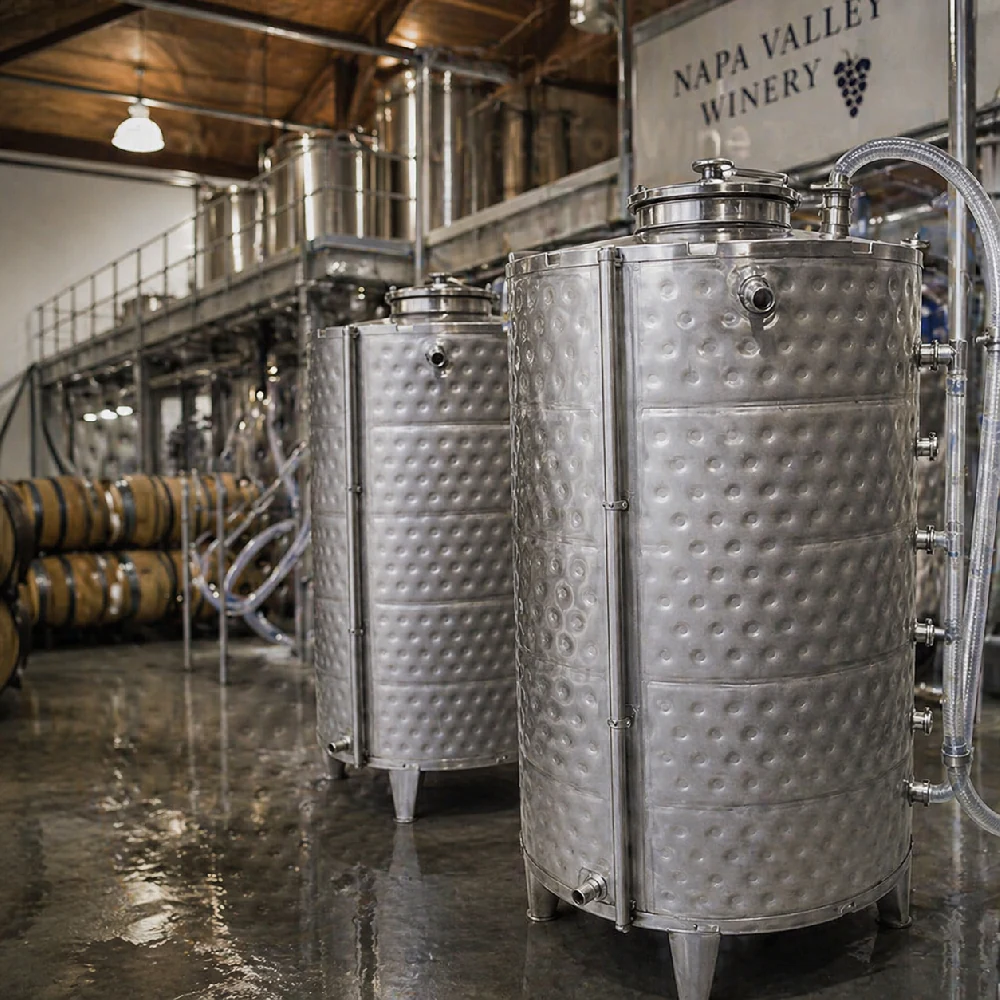
316L and all-stainless construction are common hygienic options. Material, gasket and joining choices depend on product contact, CIP/SIP conditions and applicable requirements.
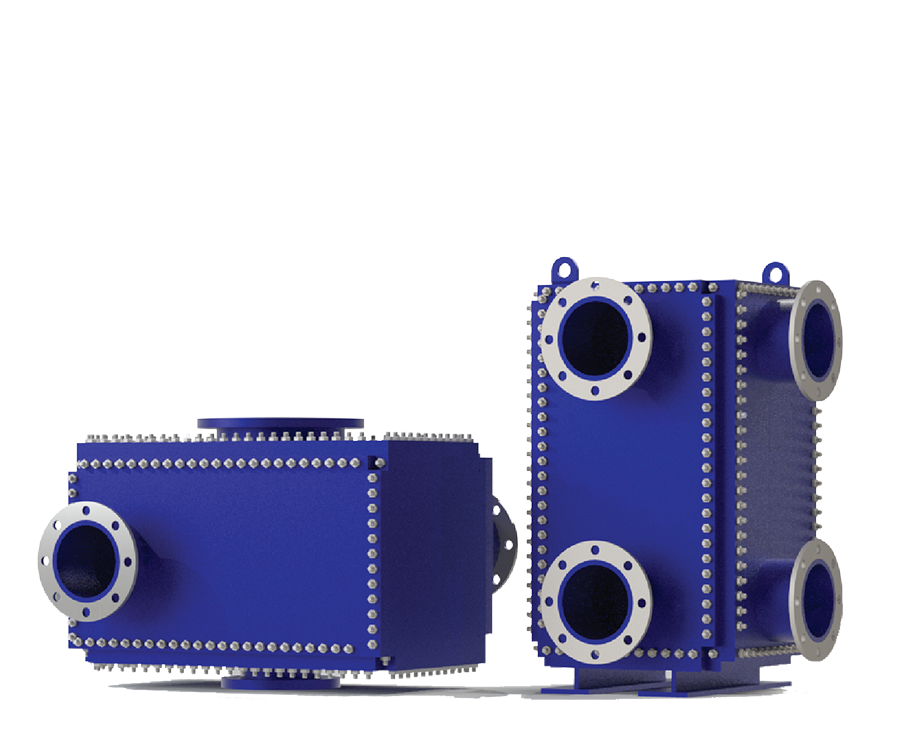
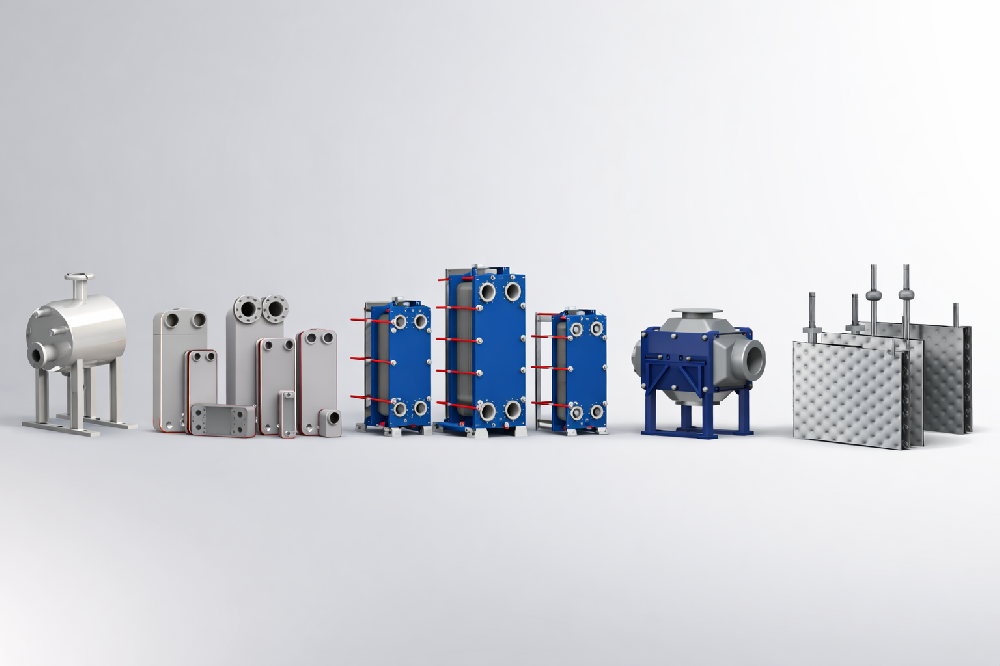
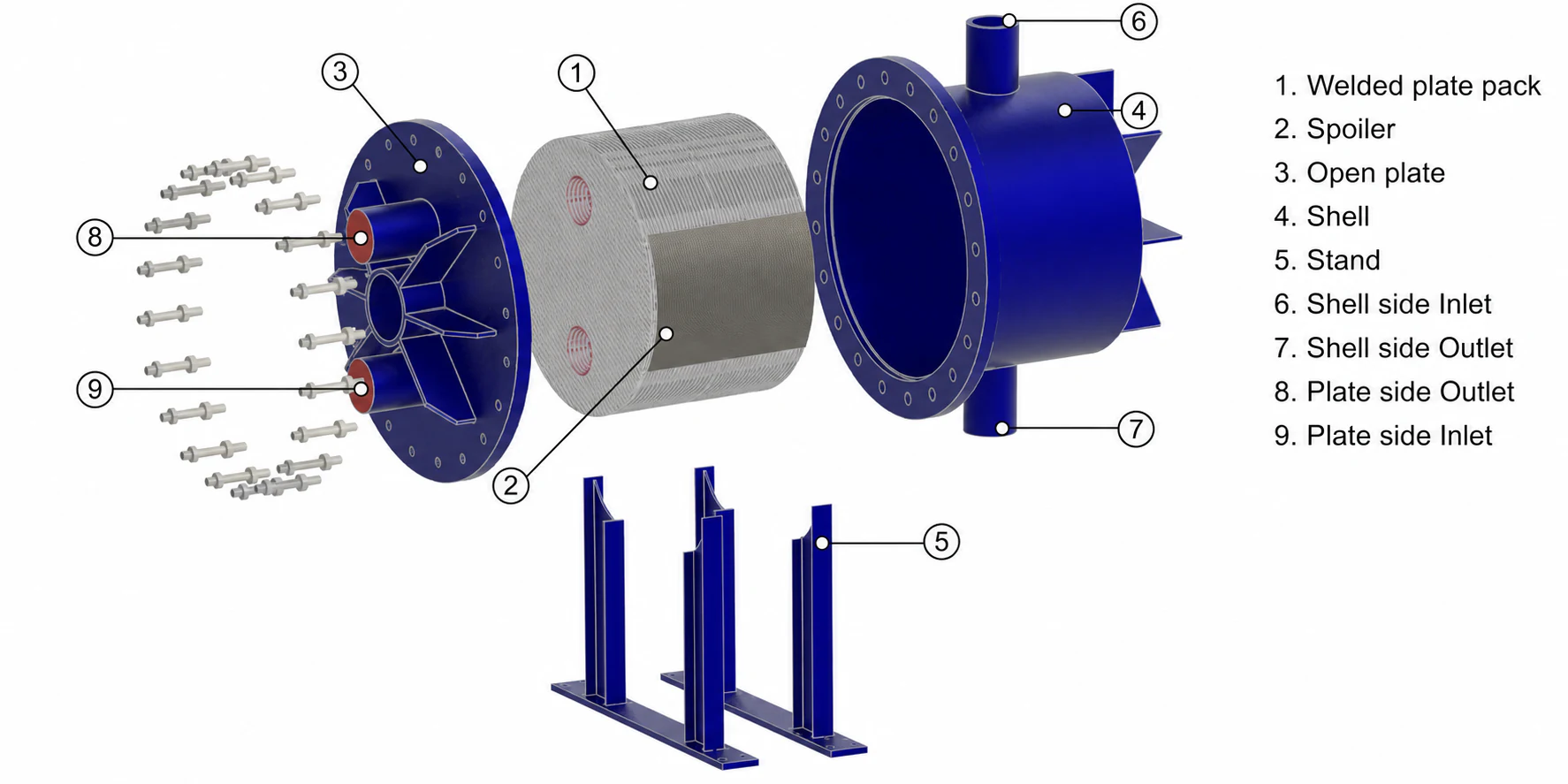
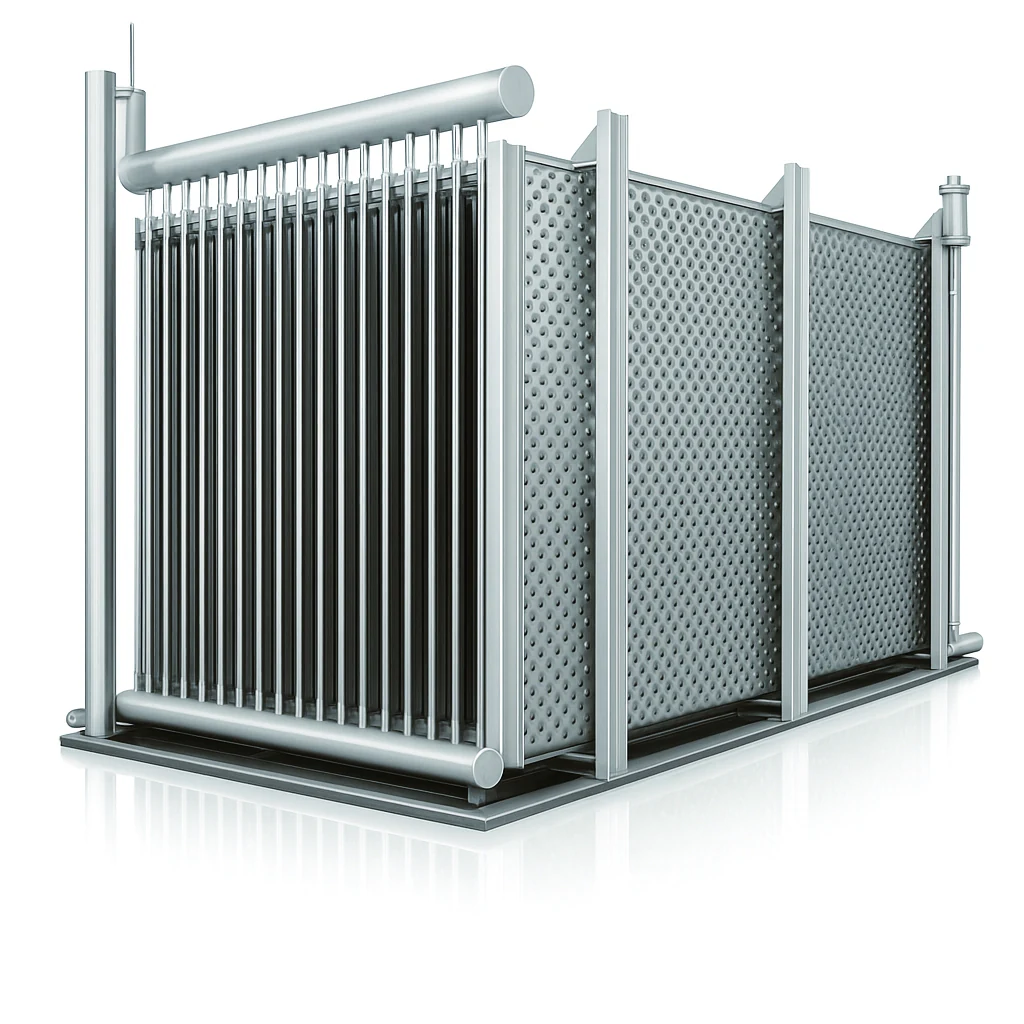
Understand how a plate and shell heat exchanger works, where it is used, how cleaning access affects selection, and which process data is needed for sizing.
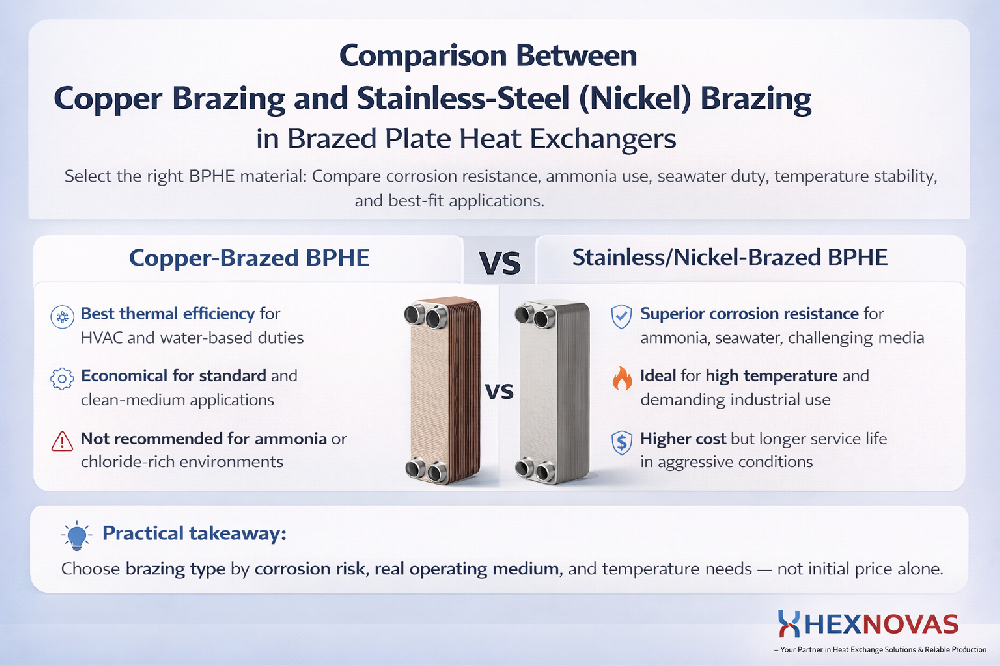
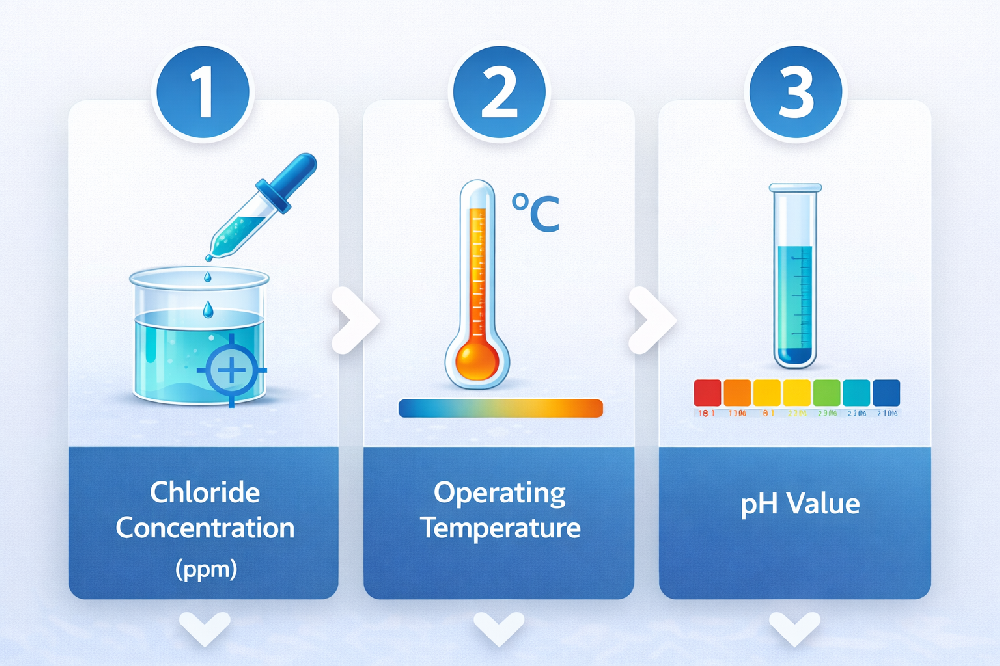
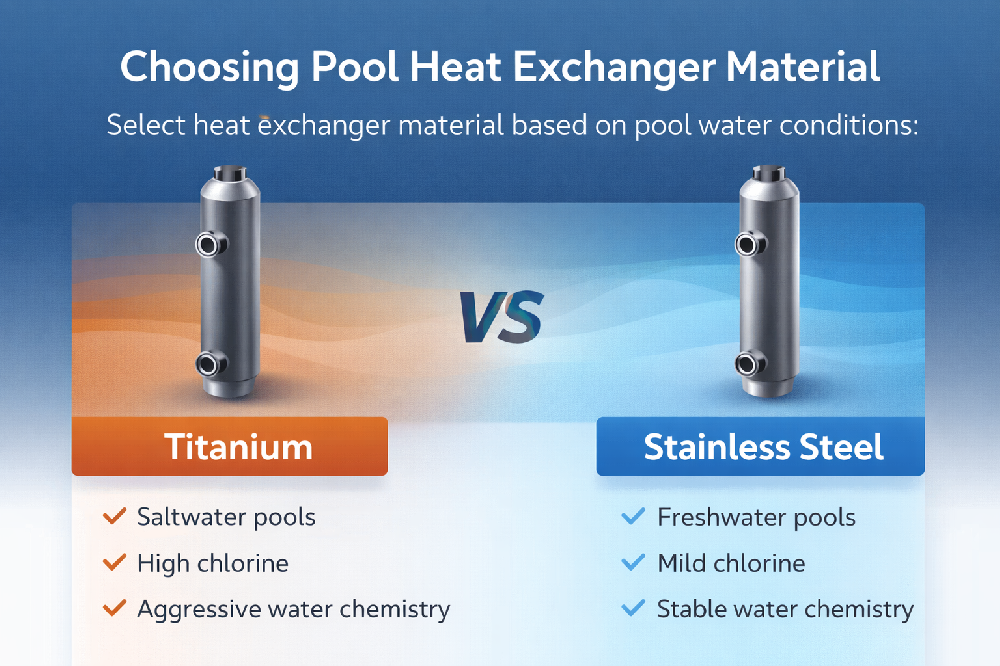
Compare 304, 316L, titanium, 254 SMO and C276 for preliminary heat exchanger material screening. Suitability depends on chemistry, temperature and construction, not chloride alone.
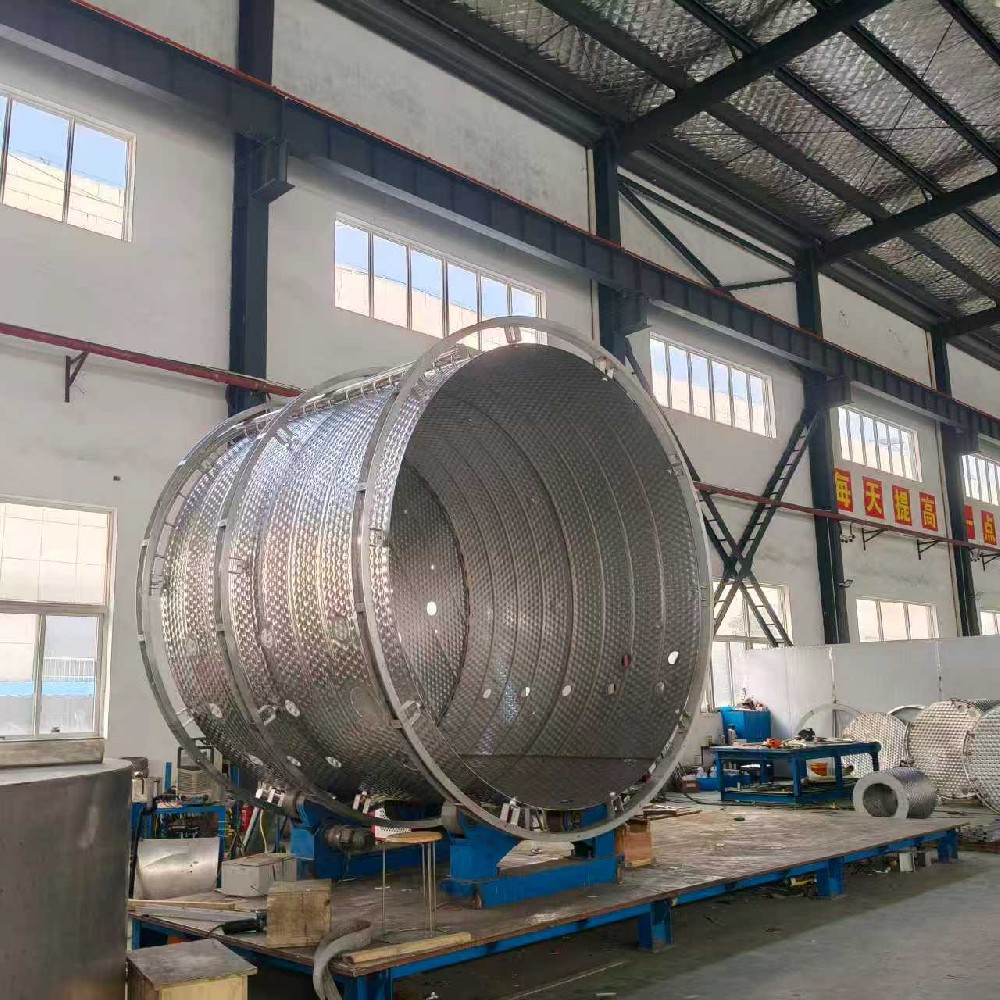
Learn how a pillow plate heat exchanger can cool DAP fertilizer from approximately 90°C to below 45°C while reducing energy consumption, dust emissions, equipment footprint and fertilizer caking.
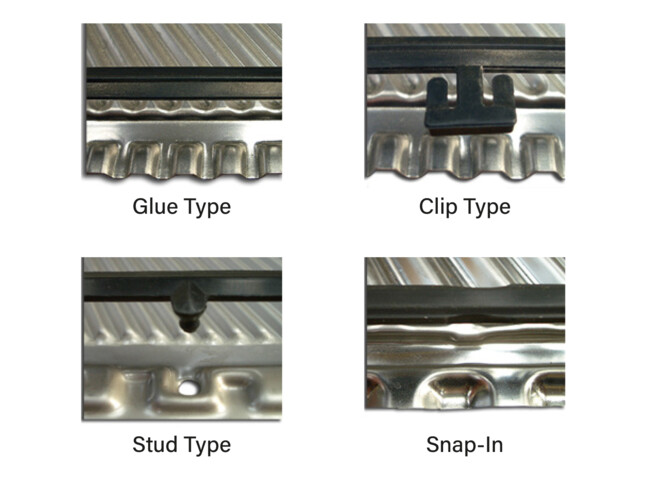
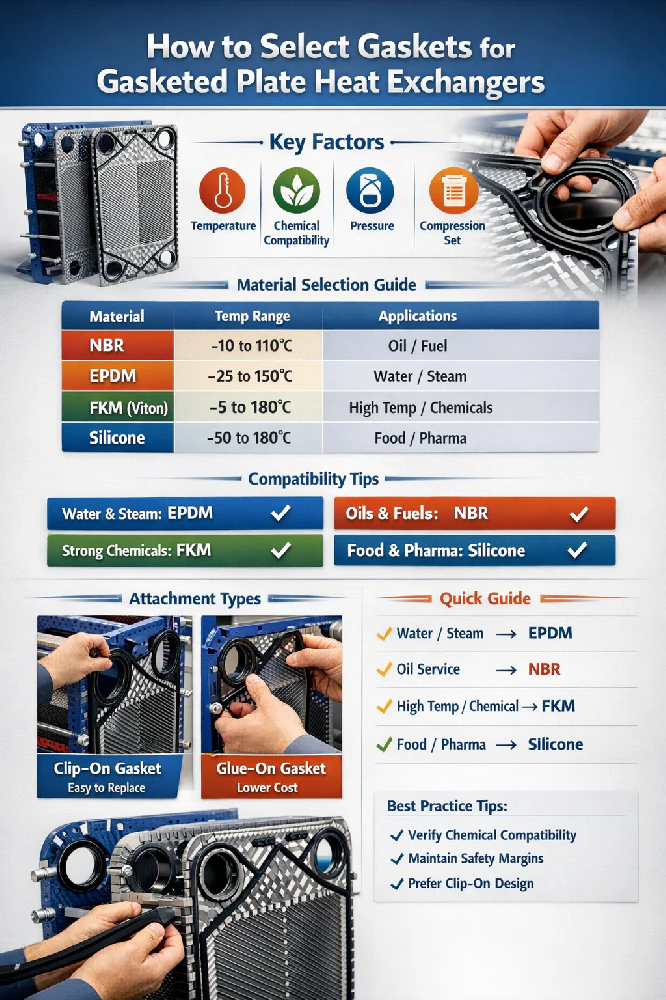
GPHE startup leakage with FKM gaskets requires assessment of gasket response, condition, alignment and compression. Any adjustment must follow the approved maintenance procedure.

 พื้นฐาน