
Available configurations
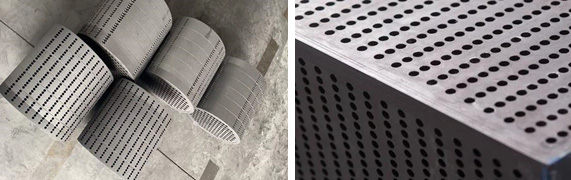
- Cylindrical block-hole construction
- Rectangular graphite block construction
- PTFE-, rubber- or enamel-lined shell options
- Vertical, horizontal or inclined installation
GRAPHITE technology
Corrosion-resistant graphite heat transfer equipment for acids and aggressive chemical process media.
Working principle
Impermeable impregnated graphite blocks contain intersecting process and service channels. The two media remain separated while heat passes through the graphite walls, combining useful thermal conductivity with corrosion resistance.
Why this technology
Product configuration
Typical applications
Selection information
Provide full chemical composition, concentration, temperatures, pressure or vacuum, fouling or crystallization risk and required graphite grade.
Frequently asked questions
Impermeable impregnated graphite blocks contain intersecting process and service channels. The two media remain separated while heat passes through the graphite walls, combining useful thermal conductivity with corrosion resistance.
Provide full chemical composition, concentration, temperatures, pressure or vacuum, fouling or crystallization risk and required graphite grade.
Impregnated impermeable graphite; Carbon steel or stainless steel shell components; PTFE gaskets between graphite blocks
The final size is confirmed by thermal calculation using flow rates, inlet and outlet temperatures, allowable pressure drop, design pressure and fluid properties.
Product documentation
Use the published catalogue for product-range reference. Final dimensions, ratings and materials are confirmed for the selected model and operating duty.
Discuss this product