A Carbon and Graphite Heat Exchanger is a special type of heat exchanger designed for highly corrosive chemical processes. It uses carbon or graphite as the primary heat transfer material instead of conventional metals such as stainless steel or titanium. These materials provide outstanding corrosion resistance, especially against strong acids and aggressive chemical media.
Carbon and graphite heat exchangers are widely regarded as the most reliable solution for heat transfer duties in environments where metallic materials suffer rapid corrosion or contamination.
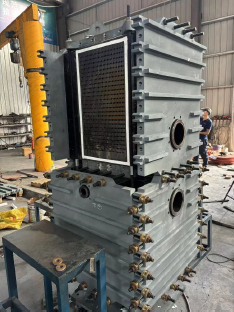
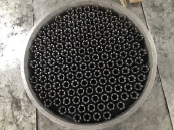
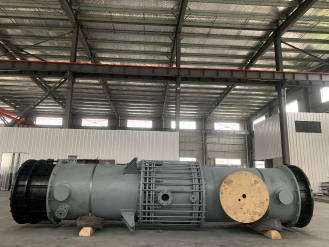
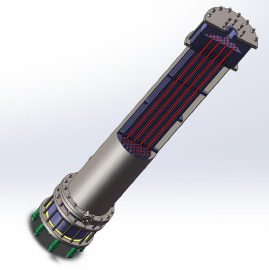
A typical carbon and graphite heat exchanger consists of the following main components:
Carbon or graphite heat exchange blocks
Carbon steel or lined steel shell
Gaskets or packing elements
Tie rods and compression frame
Expansion compensators (optional)
The heat exchange blocks are manufactured with multiple straight or cross-flow channels. Hot and cold fluids flow through separate channels and exchange heat through the graphite walls.
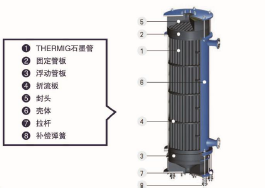
Carbon and graphite heat exchangers offer the following key features:
Excellent resistance to strong acids such as hydrochloric acid (HCl), hydrofluoric acid (HF), sulfuric acid (H₂SO₄), and nitric acid (HNO₃)
High thermal conductivity compared to most corrosion-resistant metals
Non-metallic material, eliminating the risk of galvanic corrosion
Stable performance under continuous chemical exposure
Suitable for high-purity chemical processes
Carbon and graphite heat exchangers are widely used in:
Hydrochloric acid recovery systems
Chemical synthesis plants
Chlor-alkali industry
Pharmaceutical manufacturing
Fluorine chemical processes
Metal pickling and surface treatment
Acid distillation and evaporation systems
Compared with traditional metallic heat exchangers, carbon and graphite units provide significant advantages:
Superior corrosion resistance in strong acid environments
Longer service life in aggressive chemical processes
Lower maintenance cost due to reduced corrosion damage
No metal ion contamination, ensuring product purity
Excellent thermal efficiency for corrosive duties
Although carbon and graphite materials offer excellent corrosion resistance, they are inherently brittle. Therefore, the following design considerations are essential:
Operating pressure is typically limited (commonly ≤ 6–10 bar)
Sudden thermal shocks should be avoided
Proper mechanical support and alignment are critical
Expansion compensators are often required to absorb thermal stress
Carbon and graphite heat exchangers are indispensable equipment for highly corrosive chemical industries. Their unique combination of chemical resistance, thermal performance, and process reliability makes them the optimal solution for acid handling applications where conventional metallic heat exchangers cannot operate effectively.
They remain the industry standard for hydrochloric acid, fluorine chemistry, and other aggressive chemical processes worldwide.