Heat Exchanger Technologies
Pillow Plate Thermal Shields for High-Temperature Applications
Learn how pillow plate thermal shields provide active cooling and heat protection for furnaces, reactors, waste-to-energy systems, and other high-temperature industrial applications.
Original HEXNOVAS article
Pillow Plate Thermal Shields
Pillow Plate Thermal Shields for High-Temperature Applications
Pillow plate thermal shields are not passive insulation panels. They are actively cooled metal structures designed to protect equipment, stabilize wall temperatures, and remove heat from extreme thermal environments.
In high-temperature processing, the challenge is often not simply to block heat, but to control it. When wall temperatures become too high, insulation alone may no longer be enough. Pillow plate thermal shields solve this problem by combining structural protection with internal cooling channels, creating a robust surface that can remove heat continuously while protecting the underlying equipment.
What Is a Pillow Plate Thermal Shield?
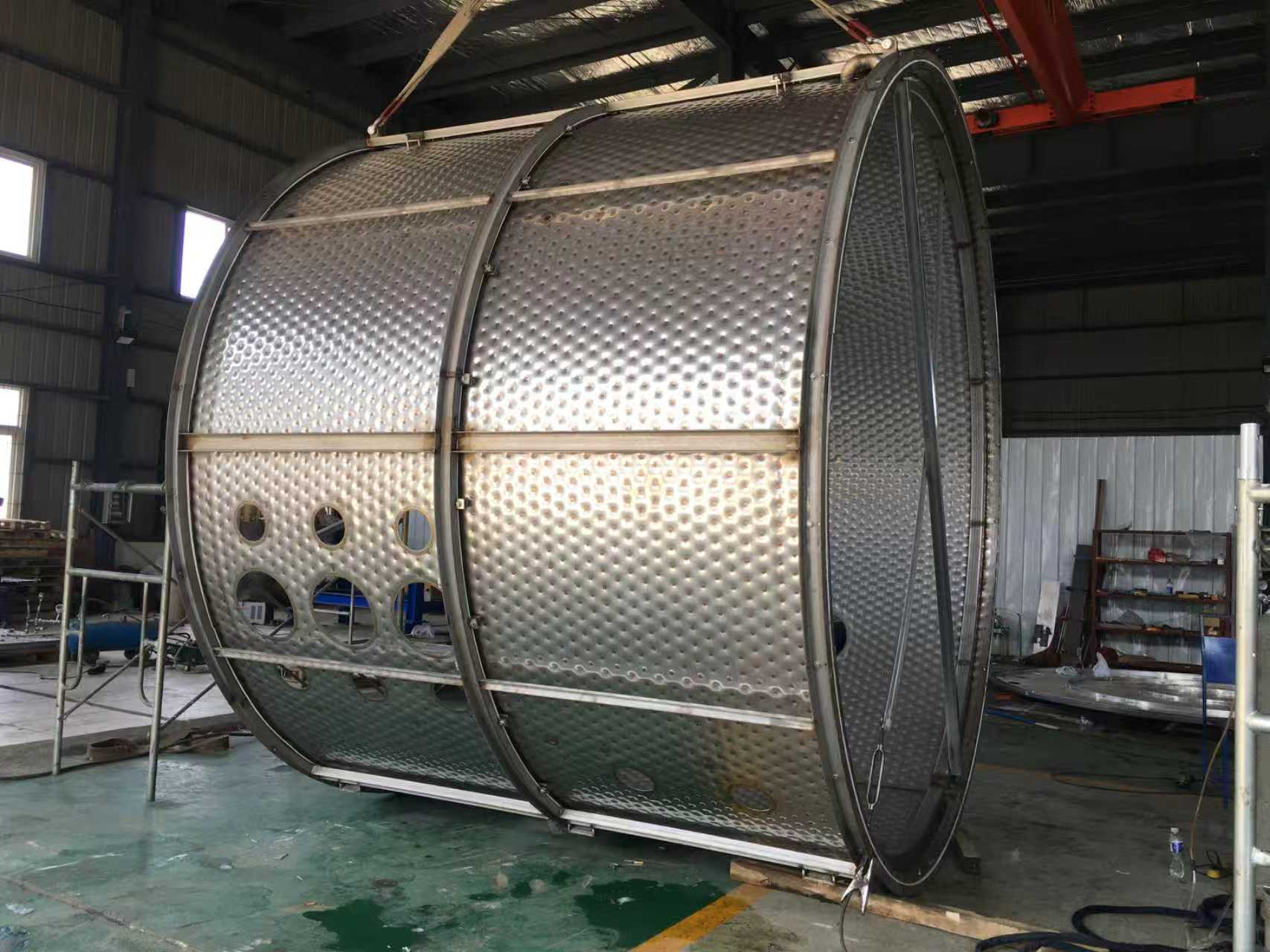
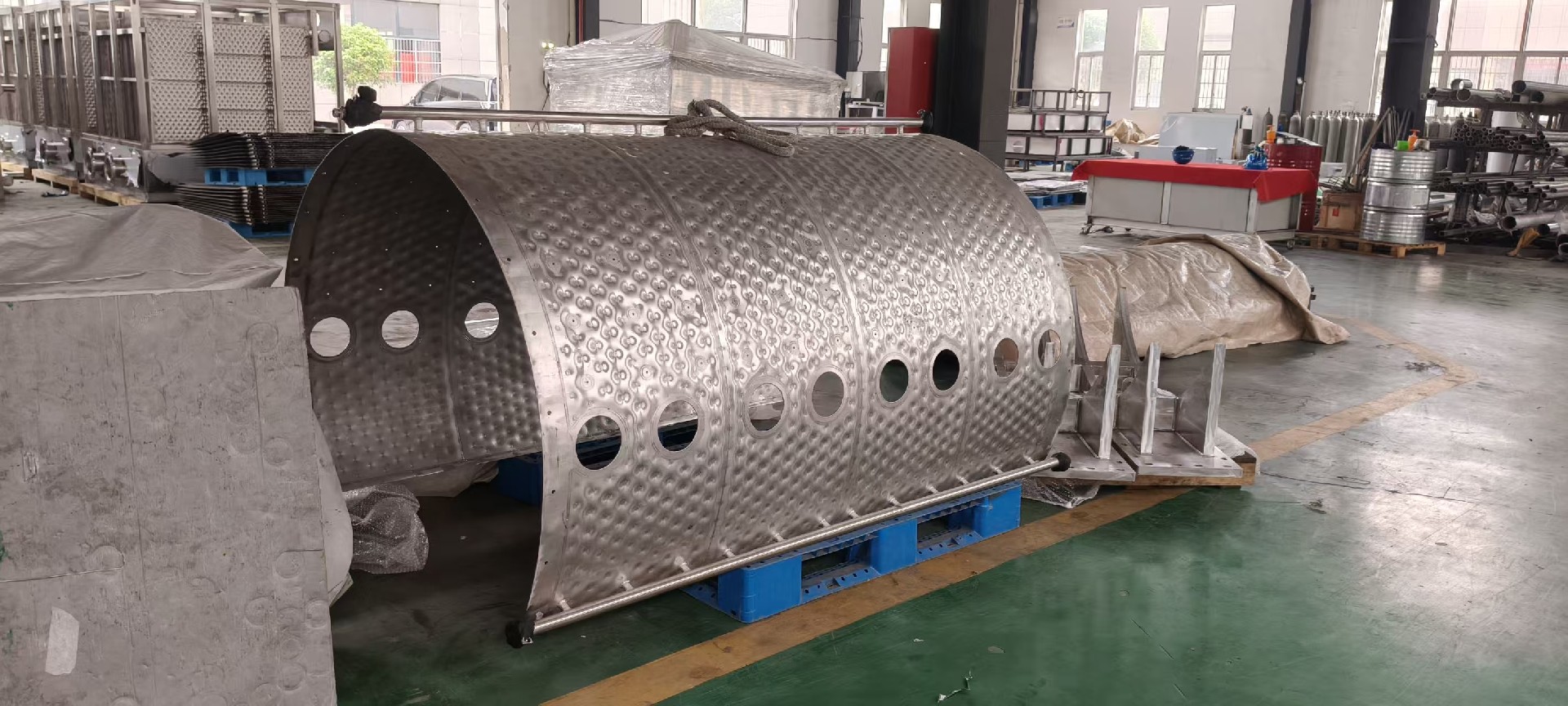
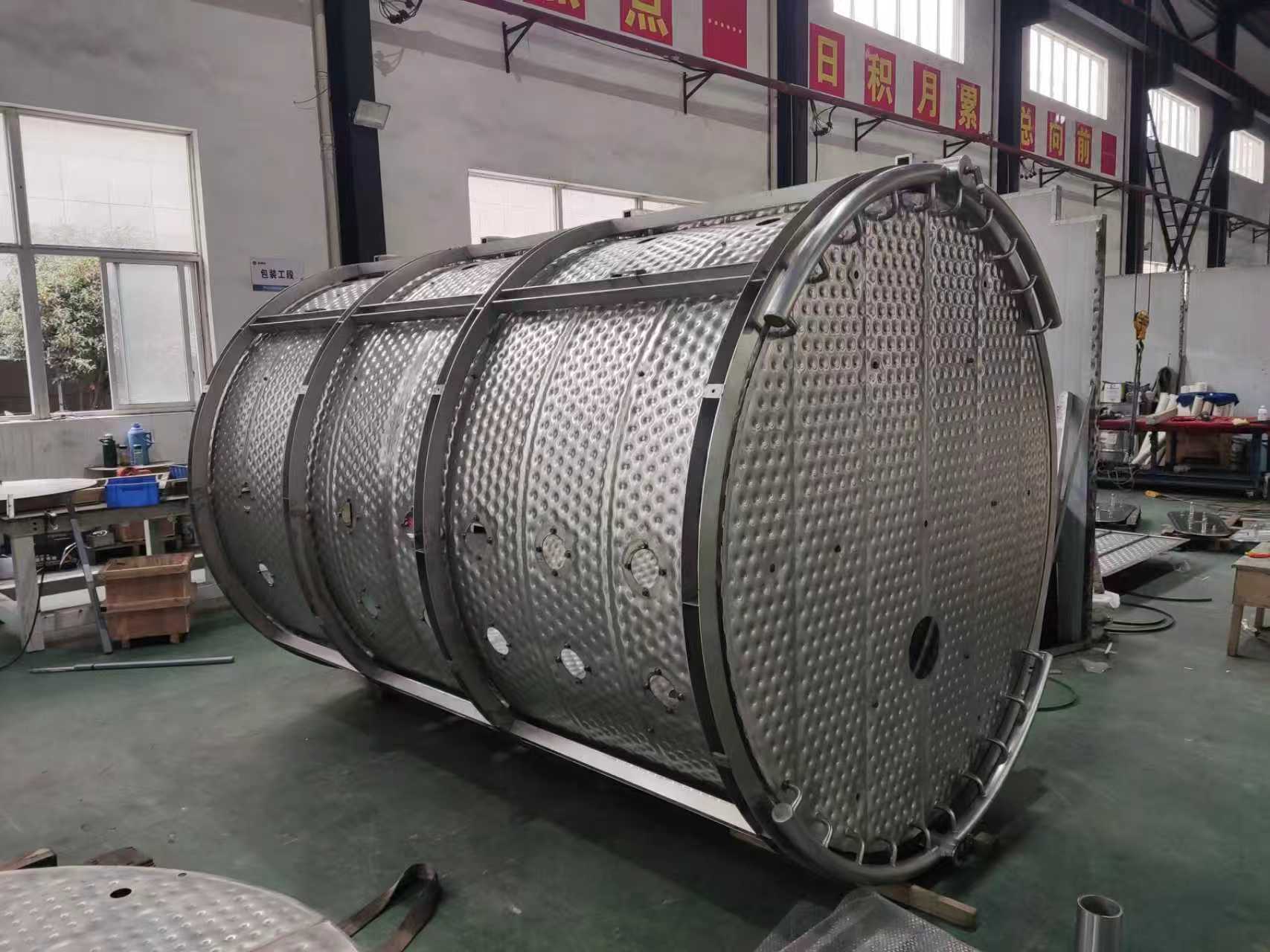
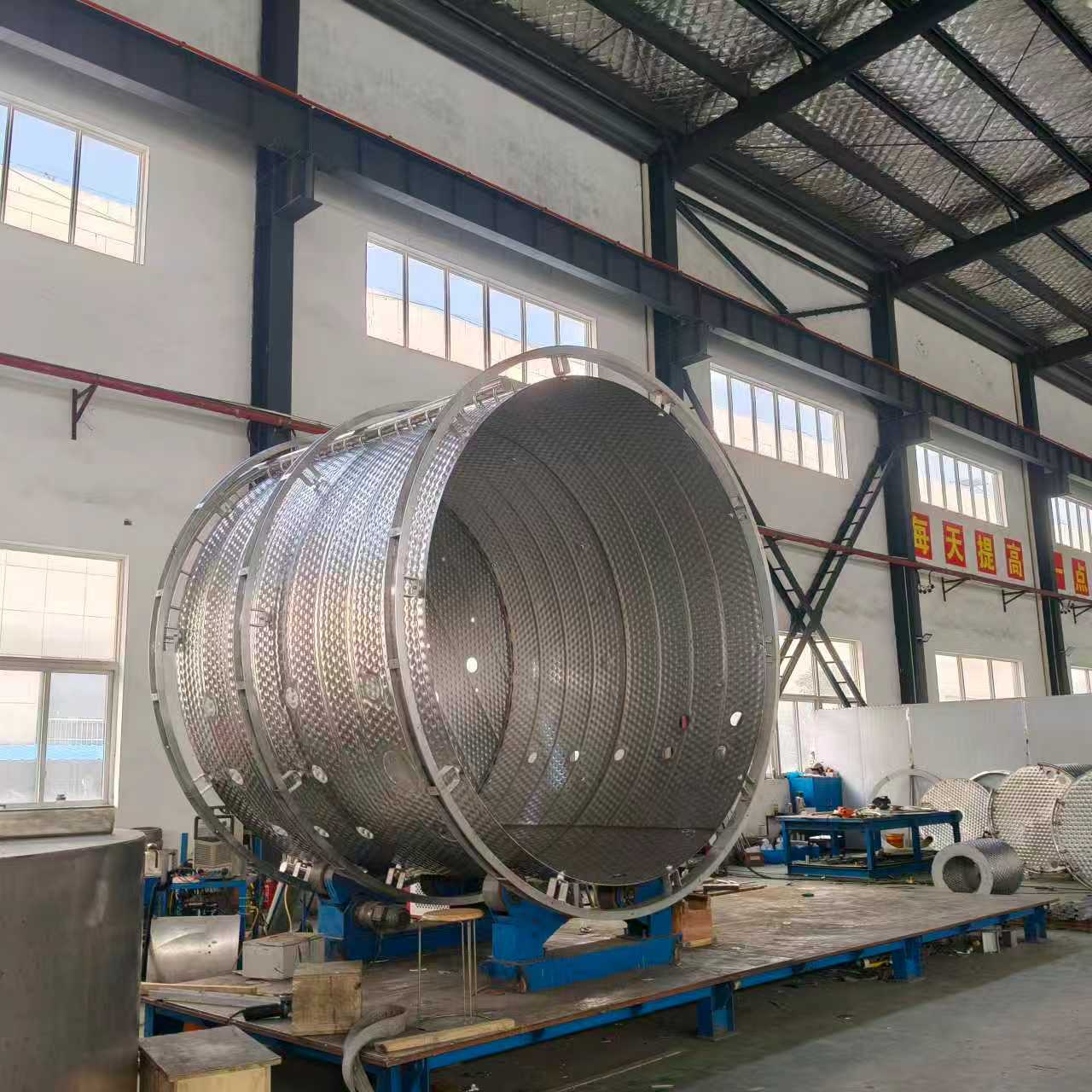
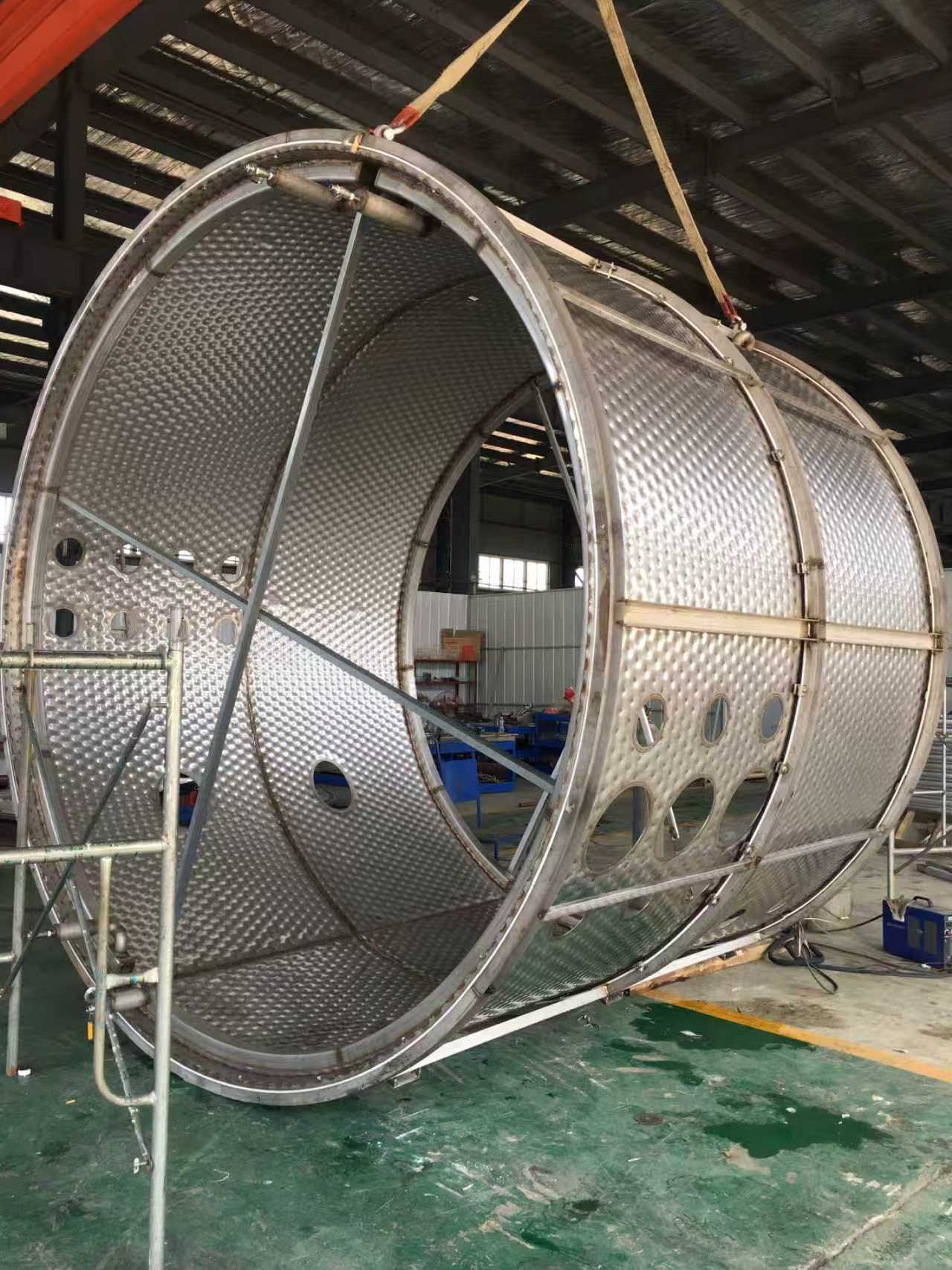
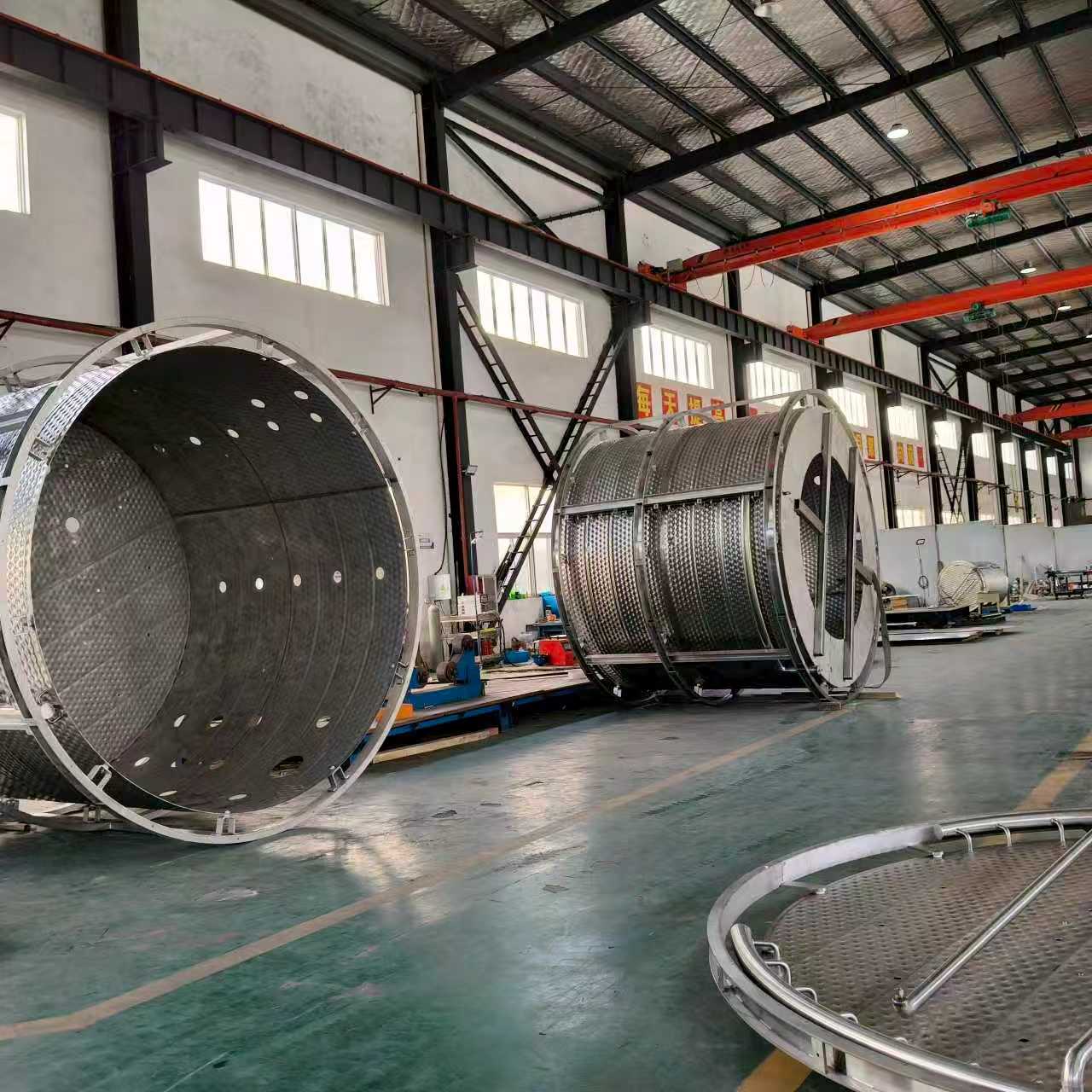
A pillow plate thermal shield is a double-wall metal panel made by welding two sheets together and then inflating them to form internal flow passages. Cooling media such as water, thermal oil, or other process fluids circulate through these channels and remove heat from the exposed surface.
This design changes the function of a thermal shield. Instead of acting only as a passive barrier, the panel becomes an engineered heat removal surface. That is why pillow plates are increasingly used in high-temperature applications where stable wall temperature, longer equipment life, and tighter thermal control are required.
Why Active Cooling Works Better Than Passive Shielding
Traditional thermal shields reduce heat transfer by reflection or insulation. That approach is effective within certain limits, but in applications with high radiant load or continuous exposure to hot gases, the shield itself can still become too hot. Once that happens, the structure behind it remains at risk.
Pillow plate thermal shields approach the problem differently. By continuously removing heat from the panel, they reduce surface temperature directly and create a more stable thermal boundary. This improves equipment protection, reduces thermal stress, and helps maintain consistent operating conditions.
The internal channel network carries thermal energy away from the hot surface instead of relying only on thermal resistance.
Because the shield is cooled by flowing media, operators can manage wall temperature more precisely than with passive systems alone.
Lower and more uniform temperature helps protect shells, housings, and process chambers from localized overheating.
Reduced thermal cycling and hot spots can decrease fatigue, distortion, and premature material damage.
Typical Applications of Pillow Plate Thermal Shields
Pillow plate thermal shields are most valuable where large surfaces face intense thermal load and where operators need a strong, welded, actively cooled panel instead of a purely insulating layer.
Industrial Furnaces
Furnace walls, burner zones, and process chambers often face continuous radiant heat. Pillow plate panels can be installed as cooled wall protection to control metal temperature and extend furnace service life.
Chemical and Petrochemical Reactors
In reactor shells and high-temperature process enclosures, pillow plate thermal shields help remove heat from exposed surfaces while supporting safer and more stable operation.
Waste-to-Energy and Incineration Systems
Incinerator walls and hot gas sections are exposed to severe thermal conditions. Actively cooled pillow plate panels can help protect the structure and improve temperature management.
Boilers and Thermal Power Equipment
In certain wall cooling or protective panel applications, pillow plates provide a compact welded solution with broad surface coverage and high mechanical robustness.
Design Considerations
The design of a pillow plate thermal shield is driven by both heat load and mechanical requirements. Unlike standard heat exchangers, these panels often need to function as part of the protective structure while also handling coolant pressure and thermal expansion.
- Surface heat flux and expected hot side temperature
- Cooling media type, inlet temperature, and flow rate
- Allowable pressure drop through the internal channels
- Panel thickness, weld pattern, and inflation height
- Material selection for corrosion and temperature resistance
- Installation geometry, panel size, and support arrangement
Materials and Construction Advantages
Pillow plate thermal shields are typically manufactured in stainless steel for industrial duty, with material selection based on operating temperature, corrosion risk, and fabrication requirements. Compared with more fragile or layered shielding concepts, the welded all-metal structure offers excellent robustness in demanding environments.
Provides a durable panel structure with internal channels formed by inflation.
Suitable for wall-mounted or panel-type protection where broad thermal exposure must be managed.
A fully welded metal solution avoids elastomer limitations in elevated temperature applications.
Panel size, channel layout, and nozzle positions can be adapted to the equipment structure.
Pillow Plate Thermal Shield vs Passive Heat Shield
The key difference is function. Passive shields slow heat transfer. Pillow plate thermal shields actively extract heat. For high-temperature process equipment, that difference can be decisive.
Where Pillow Plate Thermal Shields Fit in Thermal System Design
In thermal engineering, different components solve different heat management problems. Standard pillow plates are widely used for heat transfer and vessel jackets. A thermal shield version extends that concept into equipment protection, where the panel acts as a cooled barrier between the heat source and the structure behind it.
For projects involving aggressive or high-temperature service, system designers often evaluate multiple technologies, including shell and plate heat exchangers , spiral heat exchangers , and specialized plate solutions. The correct choice depends on whether the goal is process heat transfer, wall protection, or both.
Frequently Asked Questions
Discuss Your Pillow Plate Thermal Shield Application
If your project involves furnace wall cooling, high-temperature thermal protection, or a large actively cooled panel, HEXNOVAS can evaluate the application and propose a suitable pillow plate configuration.
| Comparison Point | Passive Heat Shield | Pillow Plate Thermal Shield |
| Primary role | Reduce heat transfer | Remove heat and control wall temperature |
| Thermal stability | Limited by shield temperature build-up | Improved by continuous cooling flow |
| Structure | Often layered or reflective | Welded inflated double-wall metal panel |
| Best use case | Moderate thermal exposure | High heat flux and large heated surfaces |
| Temperature control | Indirect | Direct and more controllable |