
Plate preparation
Sheet grade, thickness and geometry are selected for the process and mechanical design.
One plate, infinite possibilities
Custom laser-welded and pressure-inflated heat-transfer surfaces for tanks, immersion systems, chillers and demanding heat-recovery duties.
Discuss your application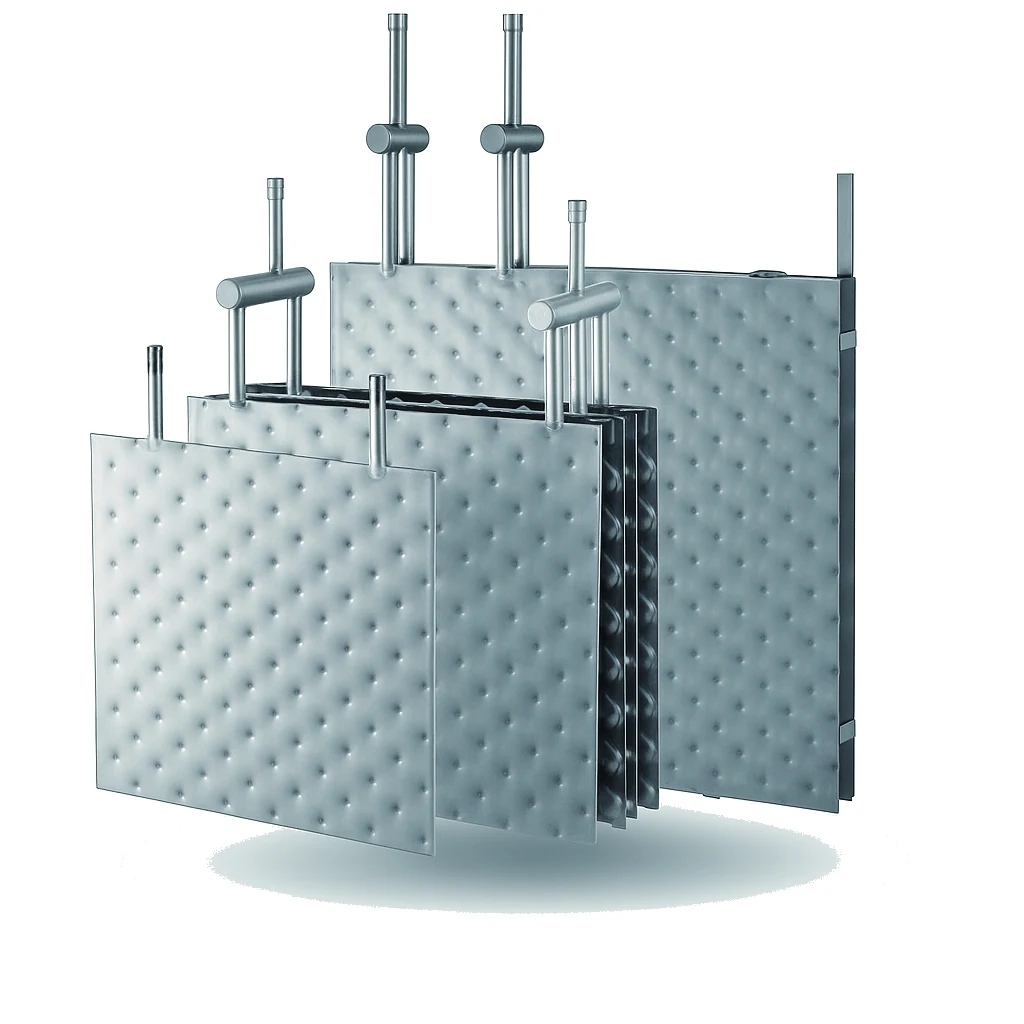
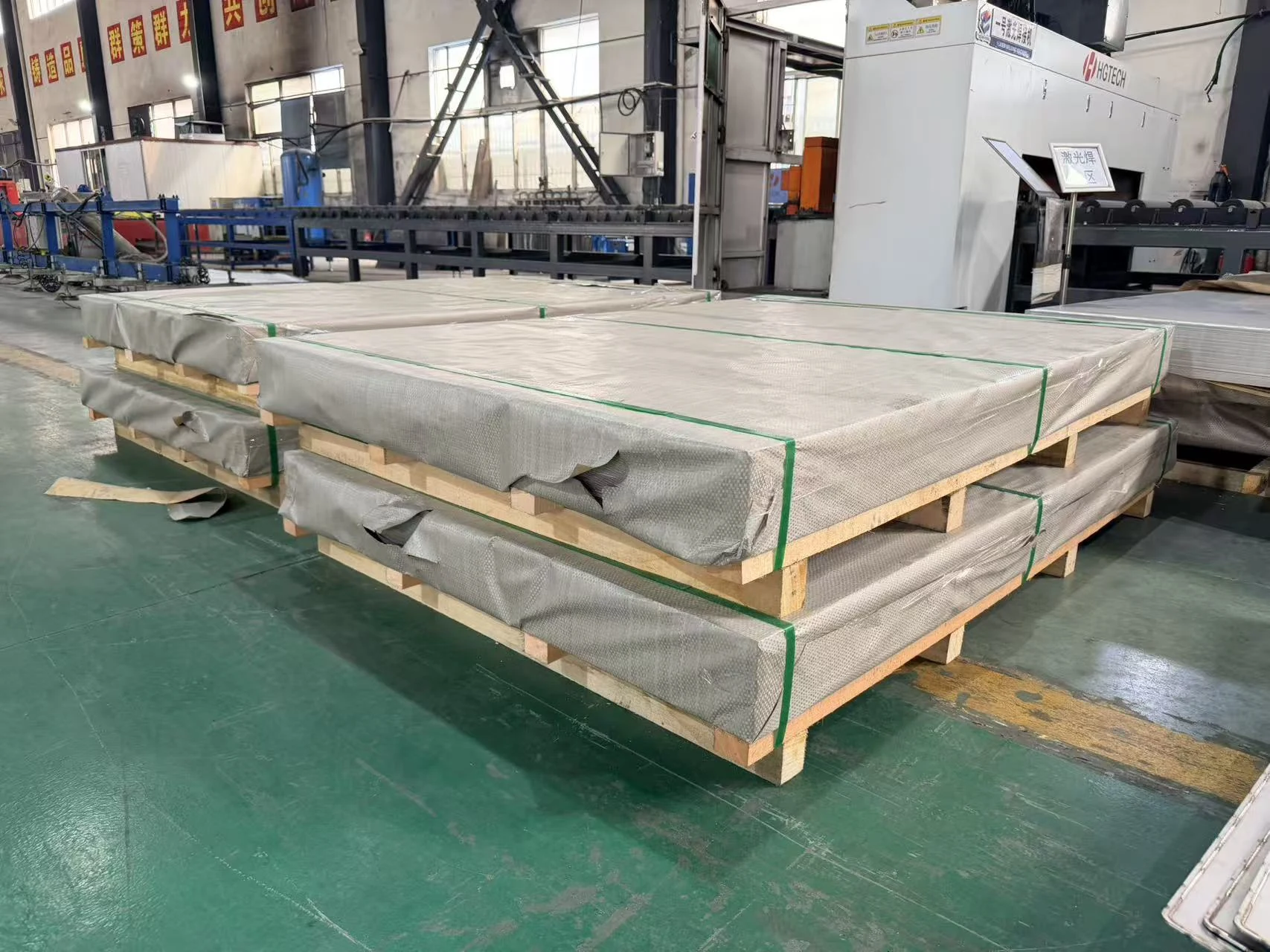
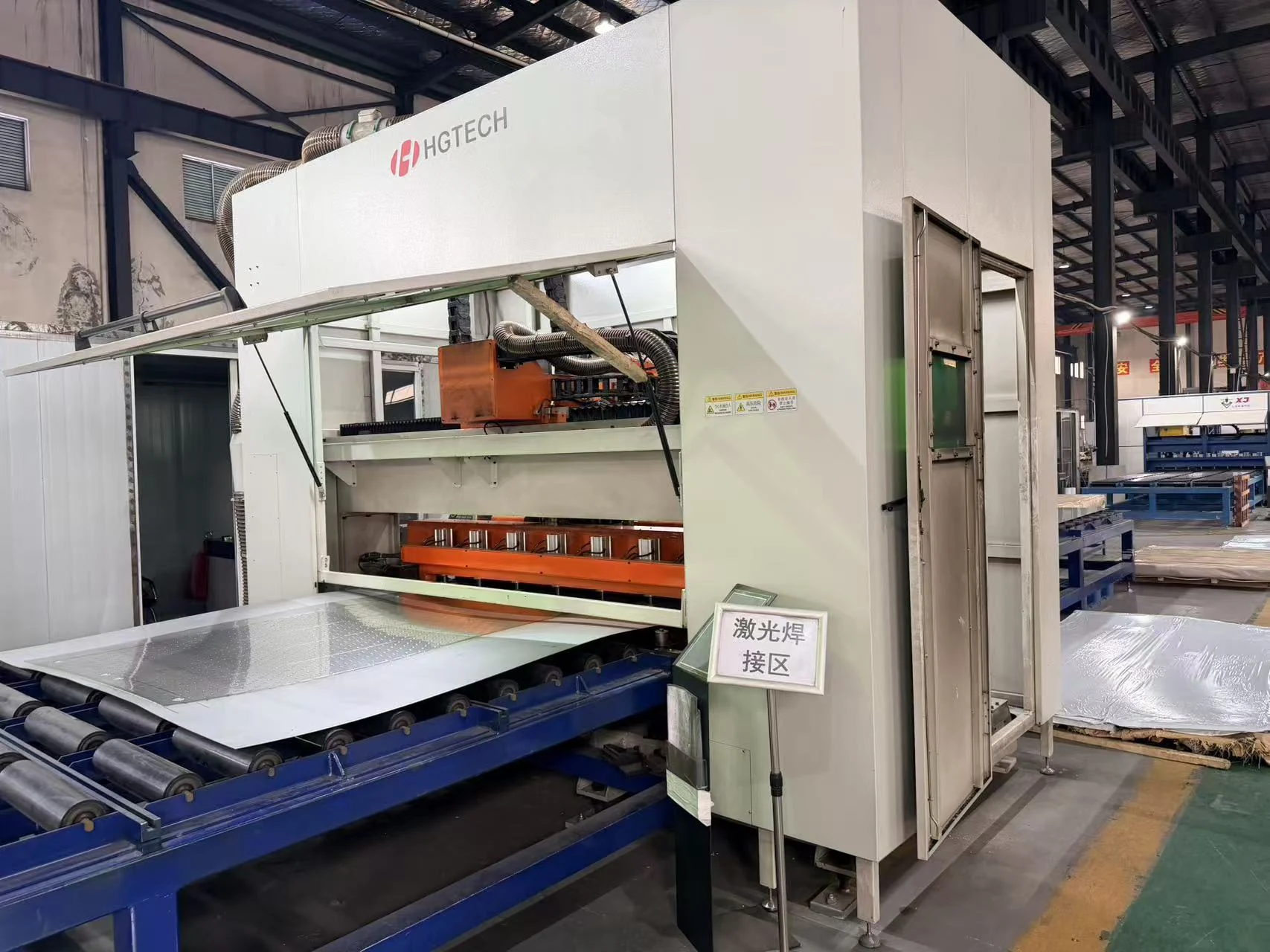
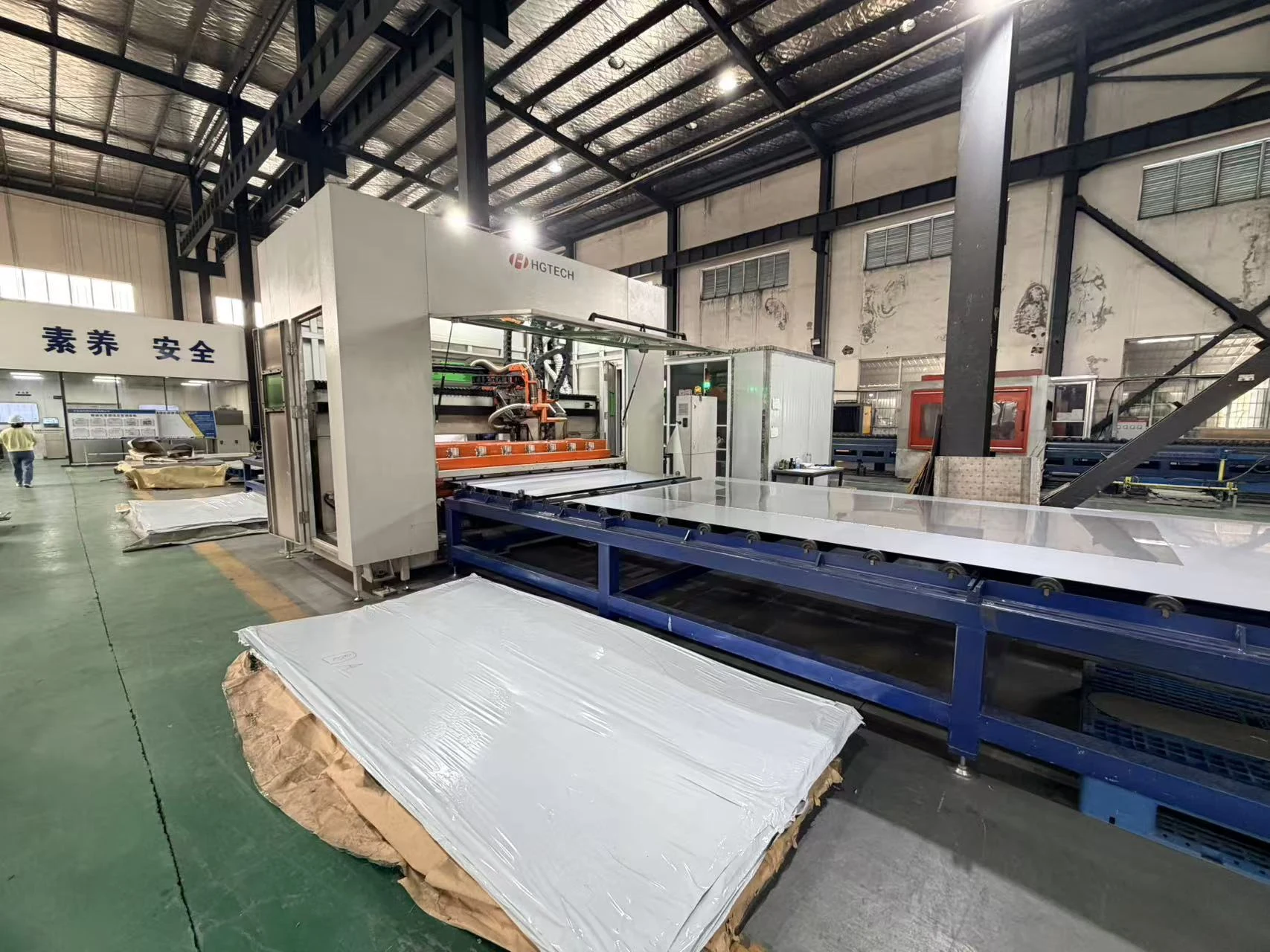
How pillow plates are made
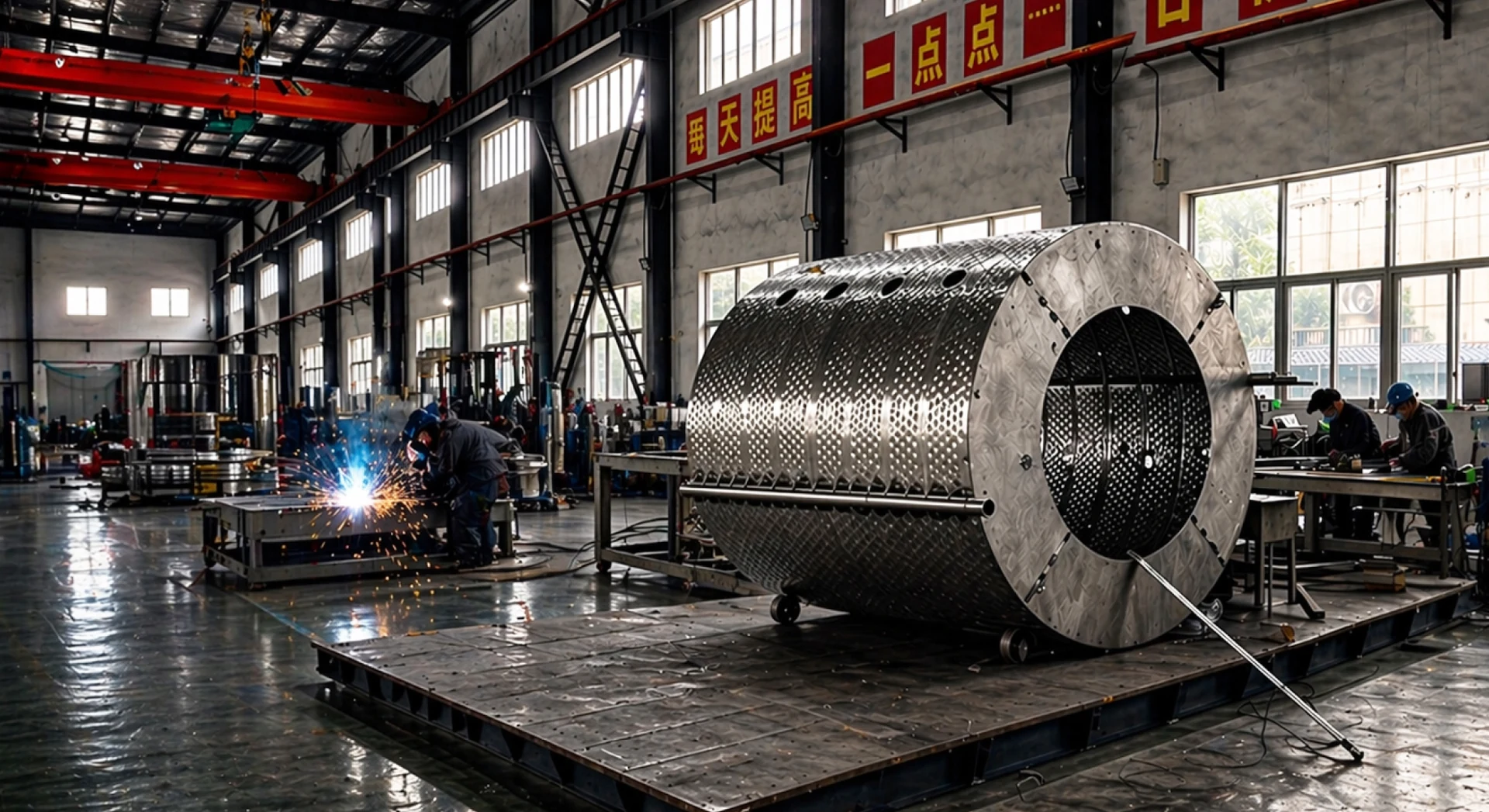
Two metal sheets are laser-welded in a calculated pattern. The welded plate pair is then inflated under controlled high pressure, creating pillow-shaped channels that distribute the heating or cooling medium across a broad surface.
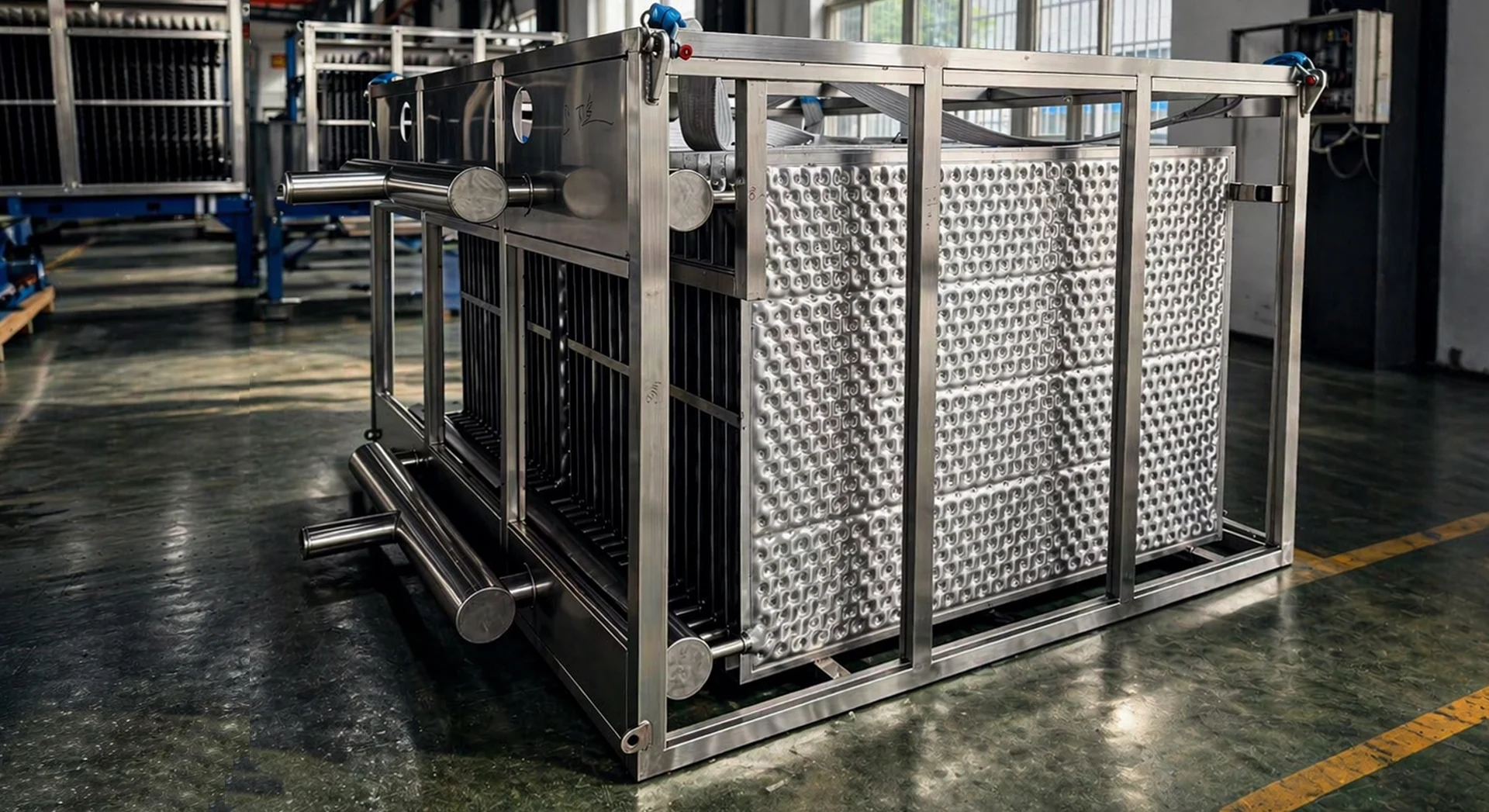
The finished surface can operate as a vessel jacket, an immersed plate bank, a falling-film surface or a custom thermal component.
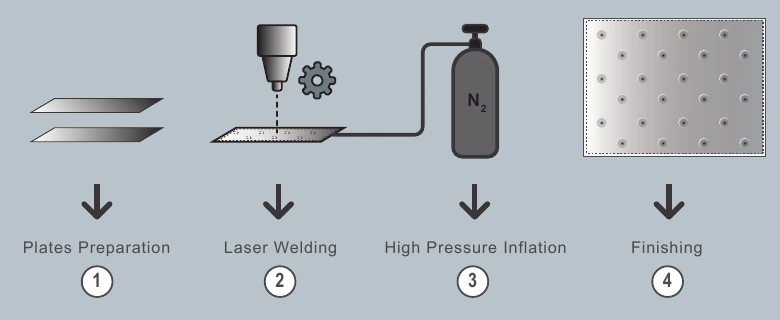
Sheet grade, thickness and geometry are selected for the process and mechanical design.
A project-specific spot and perimeter weld pattern defines the future flow channels.
Controlled pressure forms the channels and establishes the required pillow depth.
Connections, forming, fabrication and inspection complete the application-ready surface.
Why pillow plates
Inflated channels promote turbulence and improve thermal performance.
Smooth stainless-steel process surfaces support hygienic design and effective cleaning.
Large heat-transfer areas can be built into tanks, walls and restricted spaces.
Panel shape, dimensions, dimple depth, connections and weld pattern are project-specific.
The active plate body is fully welded and contains no gaskets.
Laser-welded plate pairs can be engineered for demanding pressure and temperature conditions.
Plate construction
The plate construction is selected according to the required process surface, installation method and pressure design.
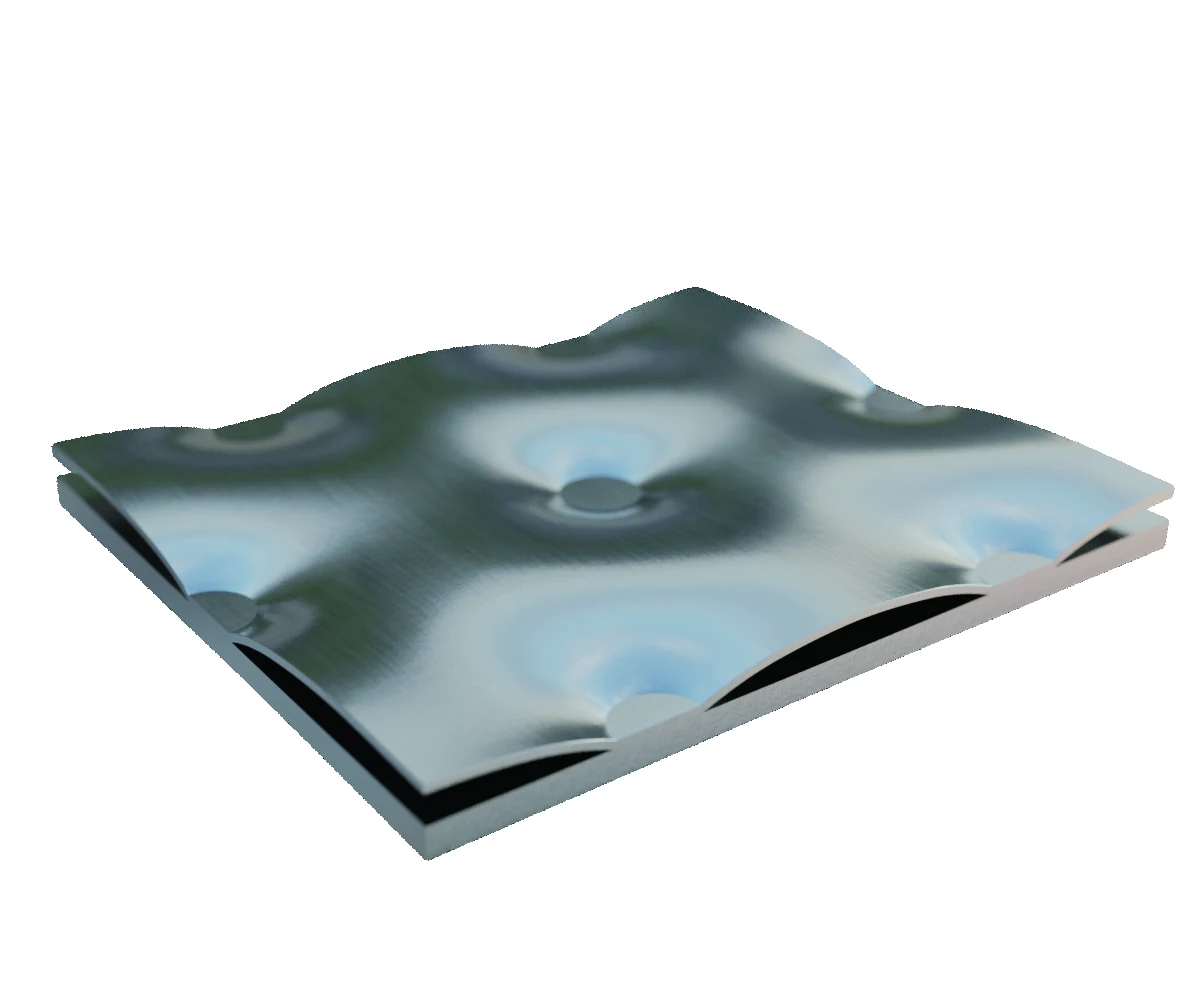
Two sheets with different thicknesses are welded and inflated so the thicker process side remains flat. This makes the construction well suited to vessel shells, tank bottoms and hygienic product-contact surfaces.
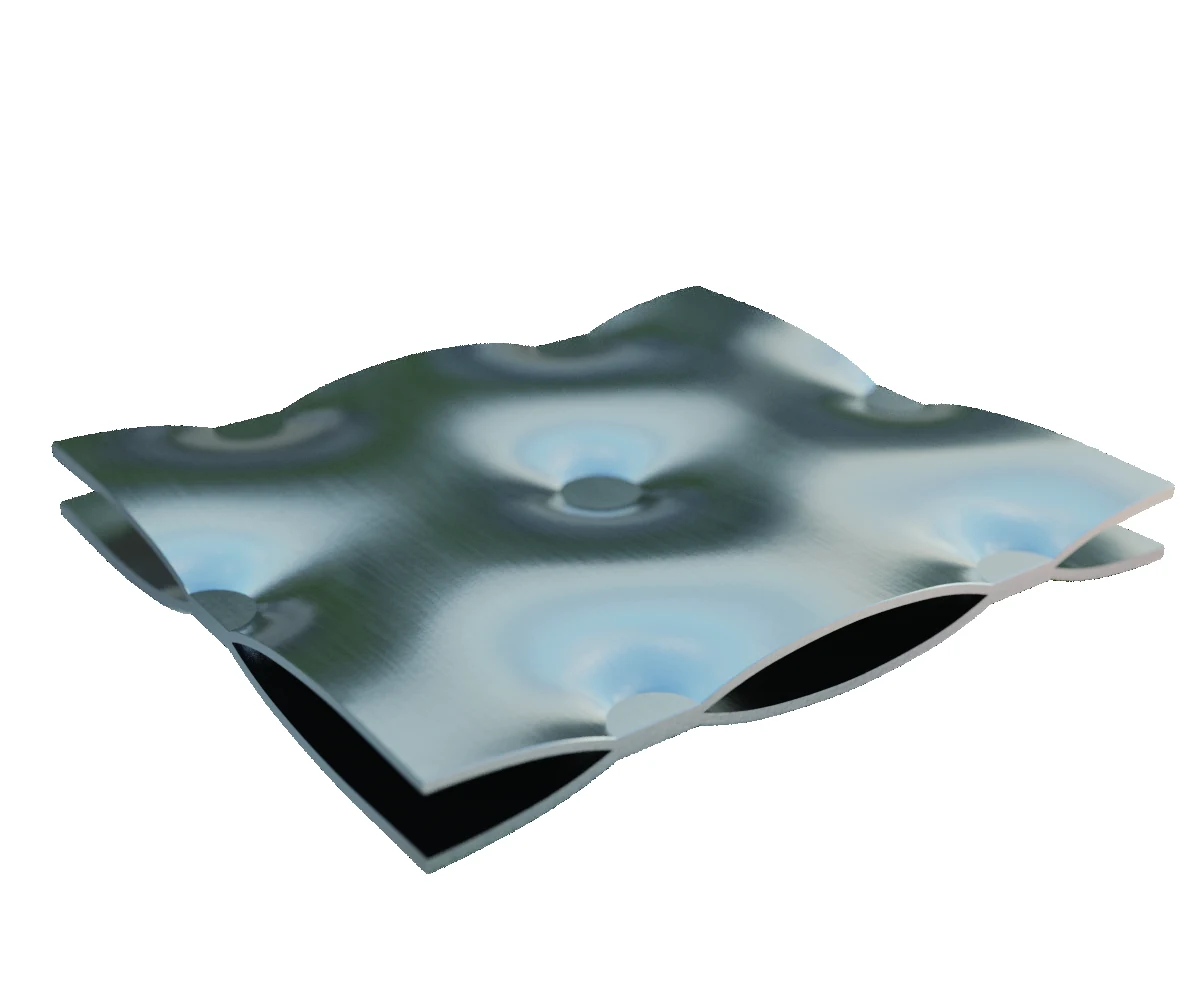
Two sheets of similar thickness expand on both sides during inflation. The resulting symmetrical channel is ideal when a flat external surface is not required.
Engineering range
Final plate thickness, inflation depth, weld pattern and allowable pressure are confirmed by project-specific thermal and mechanical calculations.
Designs above 100 bar are possible, subject to operating temperature, material, sheet thickness, weld pattern and code requirements.
Certification and documentation scope, including CE/PED where applicable, is agreed for each order.| Flat side | Inflated side |
|---|---|
| 2.0 mm | 0.8 mm |
| 2.5 mm | 0.8 mm |
| 3.0 mm | 0.8 / 1.0 mm |
| 4.0-6.0 mm | 0.8 / 1.0 / 1.25 / 1.5 mm |
| 8.0-30 mm | 1.25 / 1.5 / 2.0 / 2.5 mm |
| First side | Second side |
|---|---|
| 0.8 mm | 0.8 mm |
| 1.0 mm | 1.0 mm |
| 1.25 mm | 1.25 mm |
| 1.5 mm | 1.5 mm |
| 2.0-2.5 mm | 2.0-2.5 mm |
Forms and structures
Pillow plates can be rolled, formed, segmented and assembled to follow the equipment geometry.
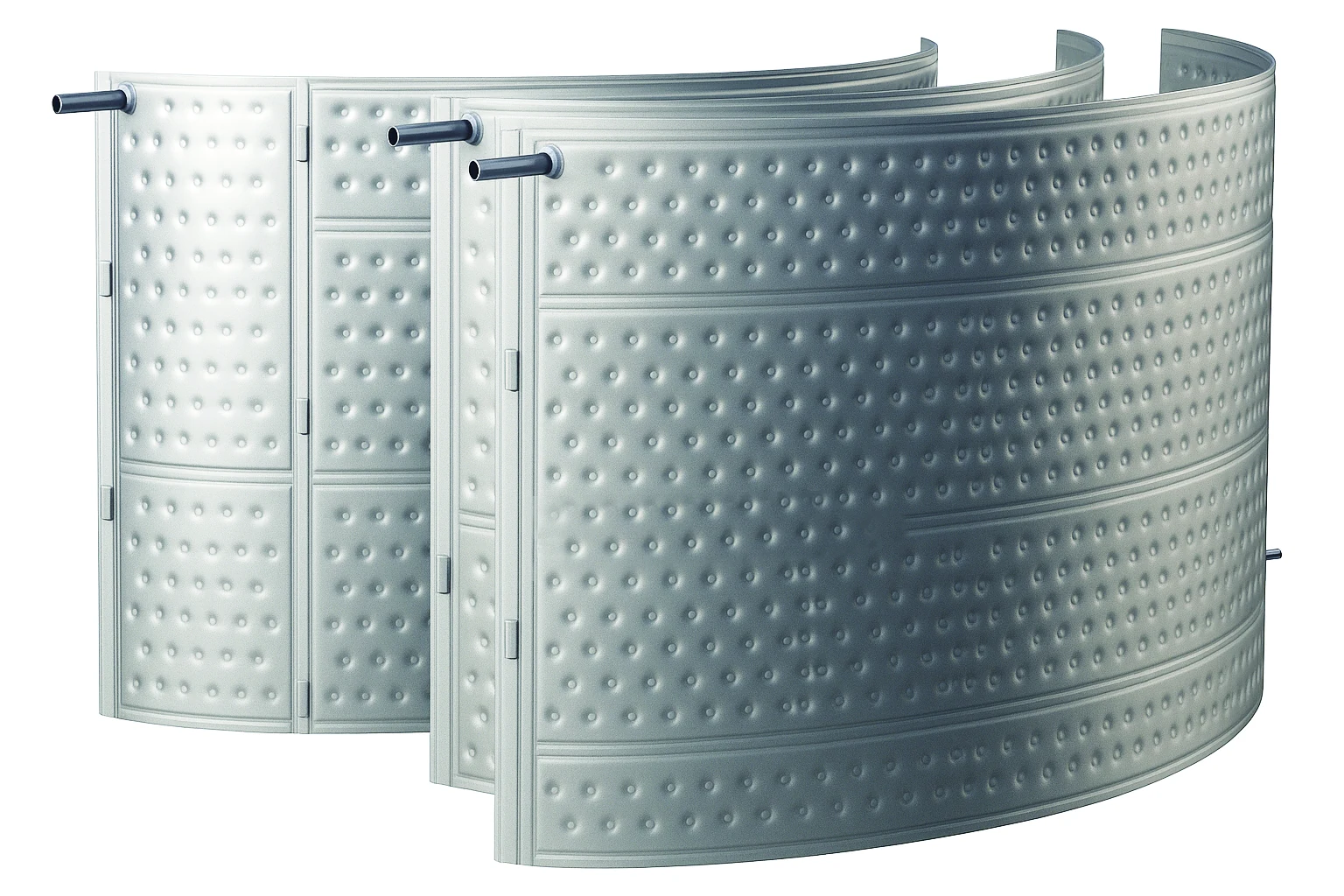
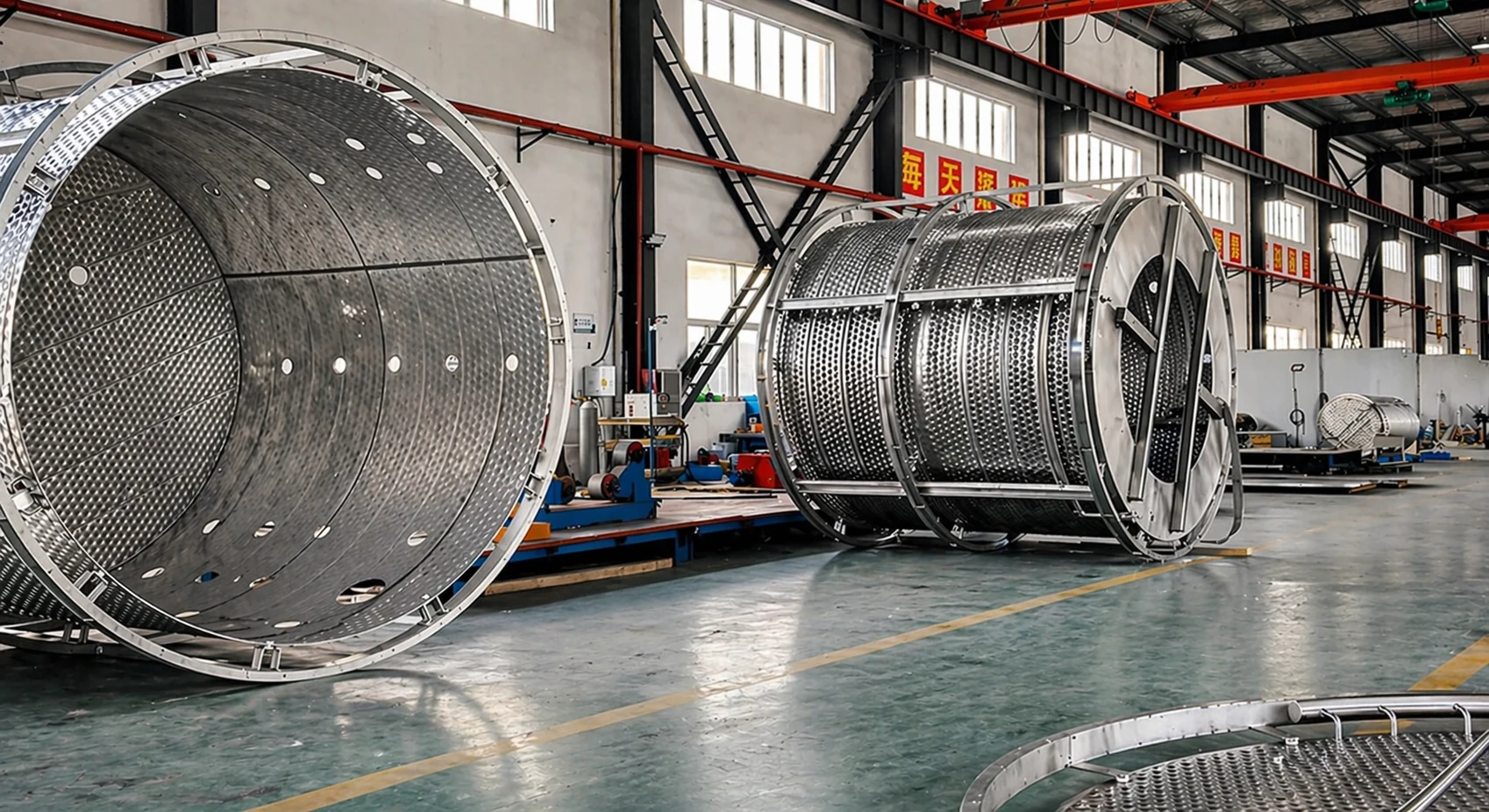
Formed pillow panels follow cylindrical vessel walls for direct heating or cooling.
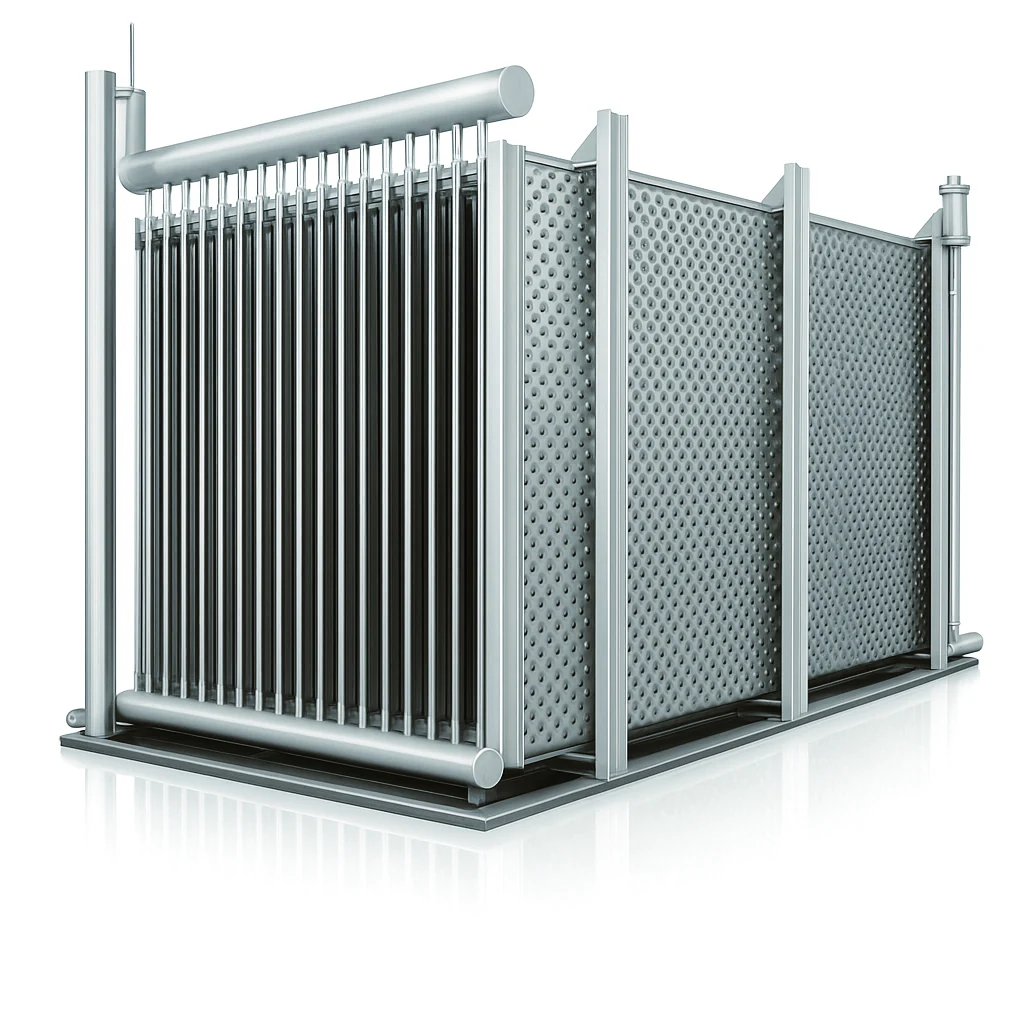
Parallel pillow plates provide high surface area for immersion and heat-recovery duties.
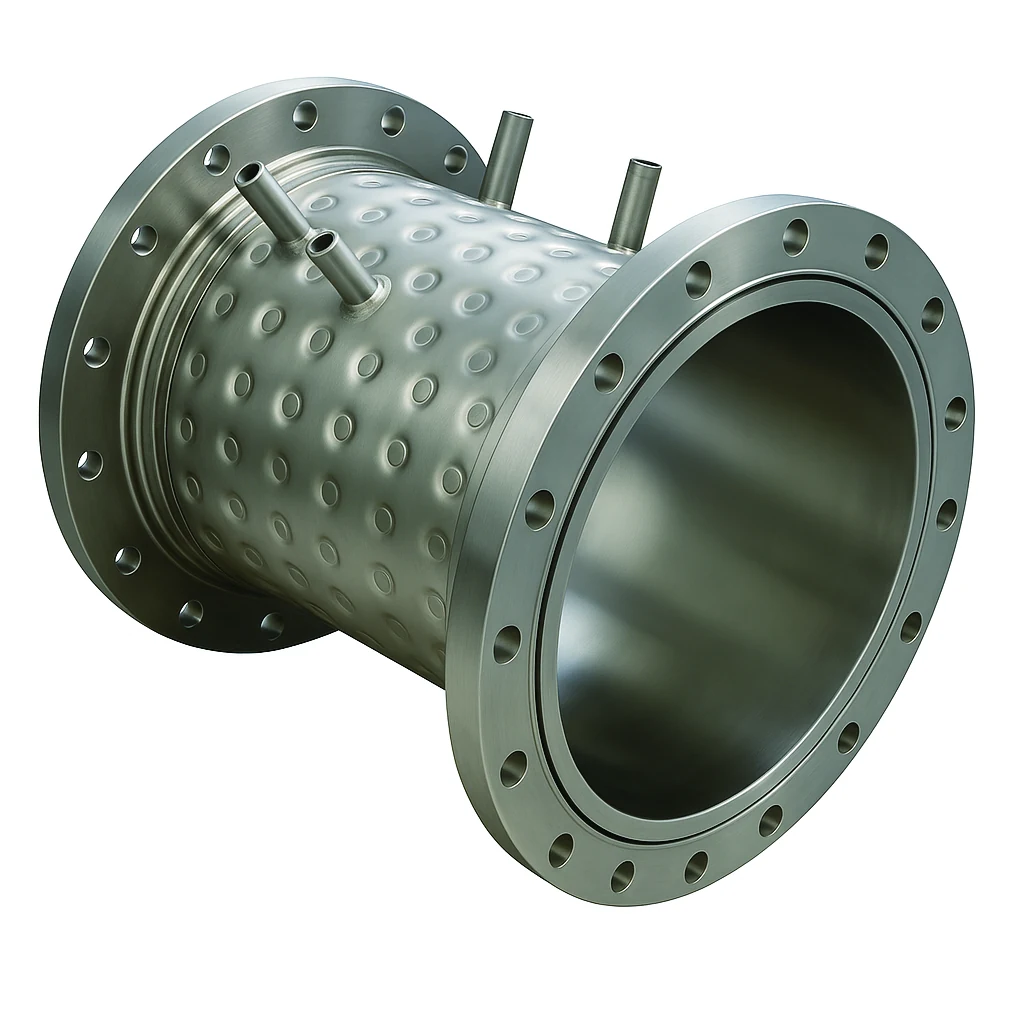
Integrated cylindrical surfaces combine containment geometry with thermal control.
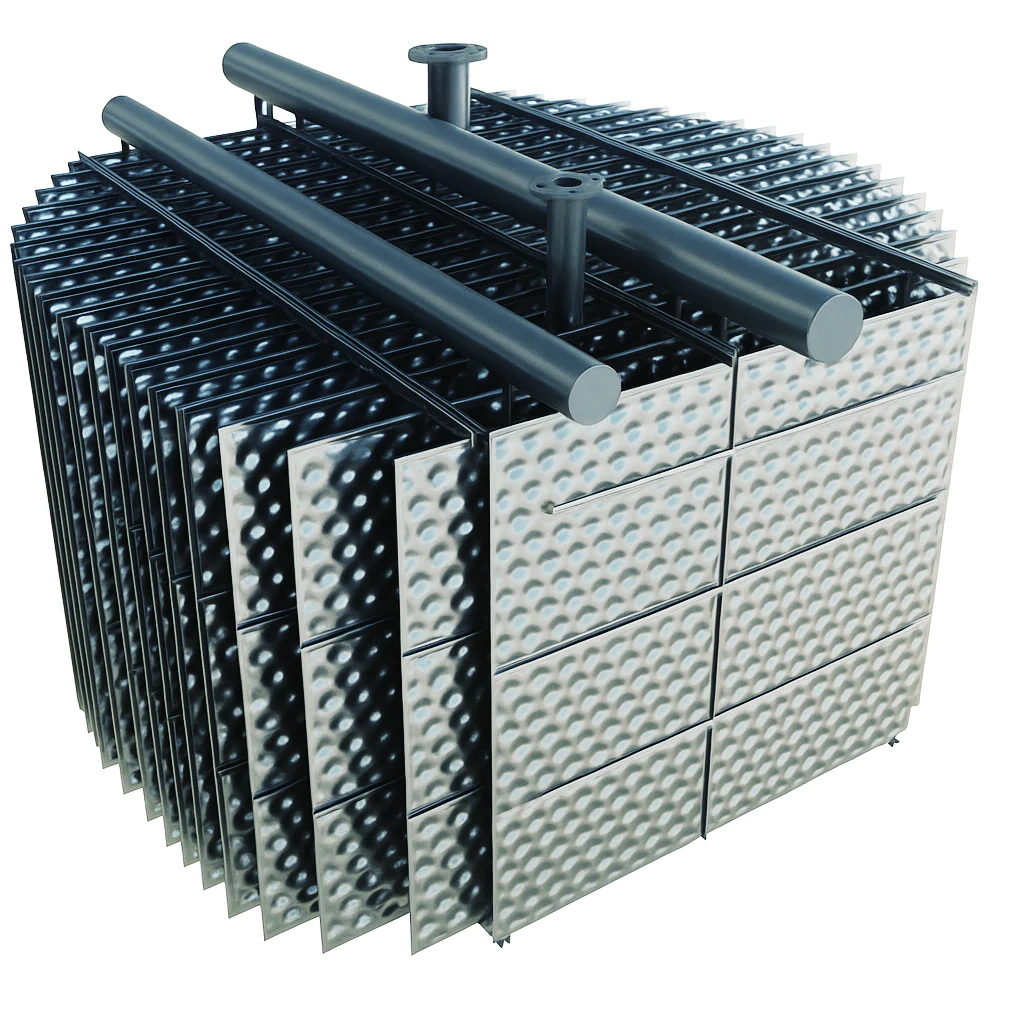
Modular plate banks are arranged around flow, capacity, cleaning and installation space.
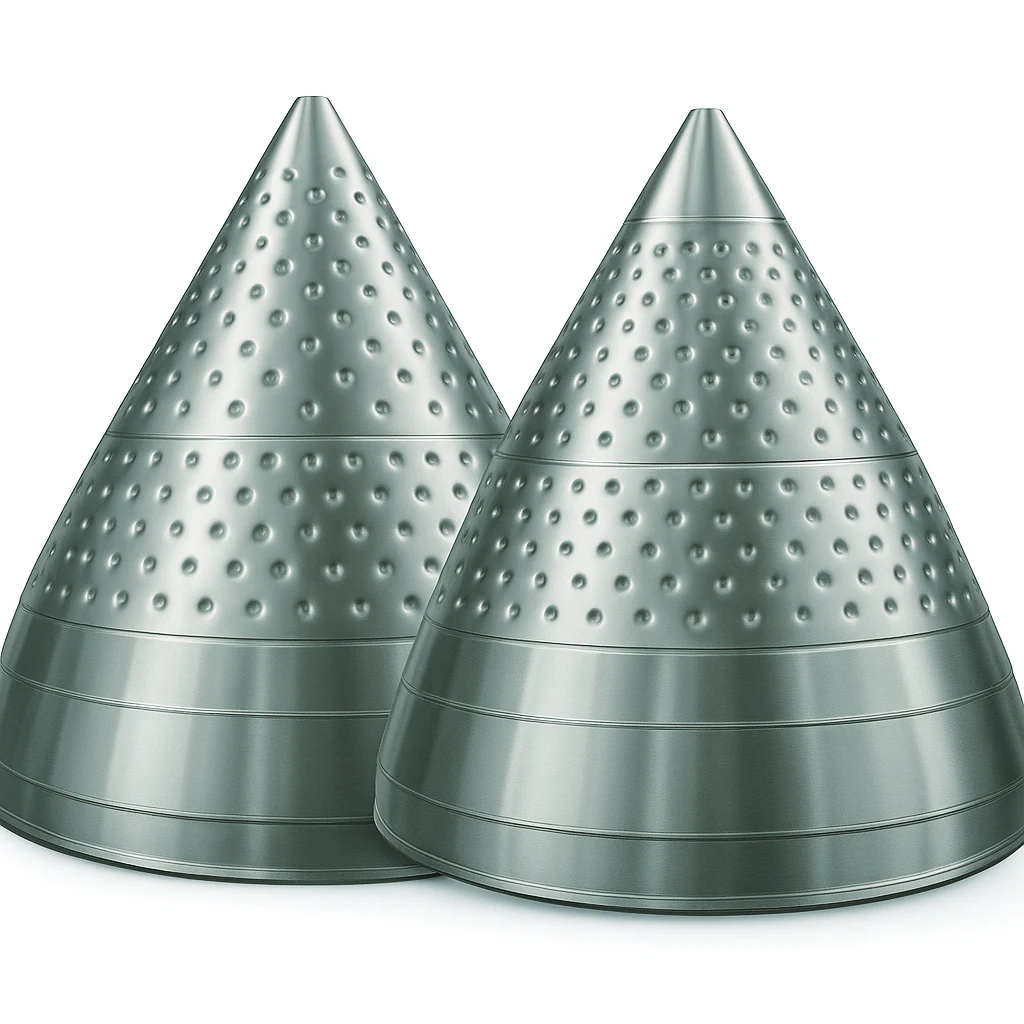
Custom-formed panels extend heat transfer into hoppers and non-cylindrical vessels.
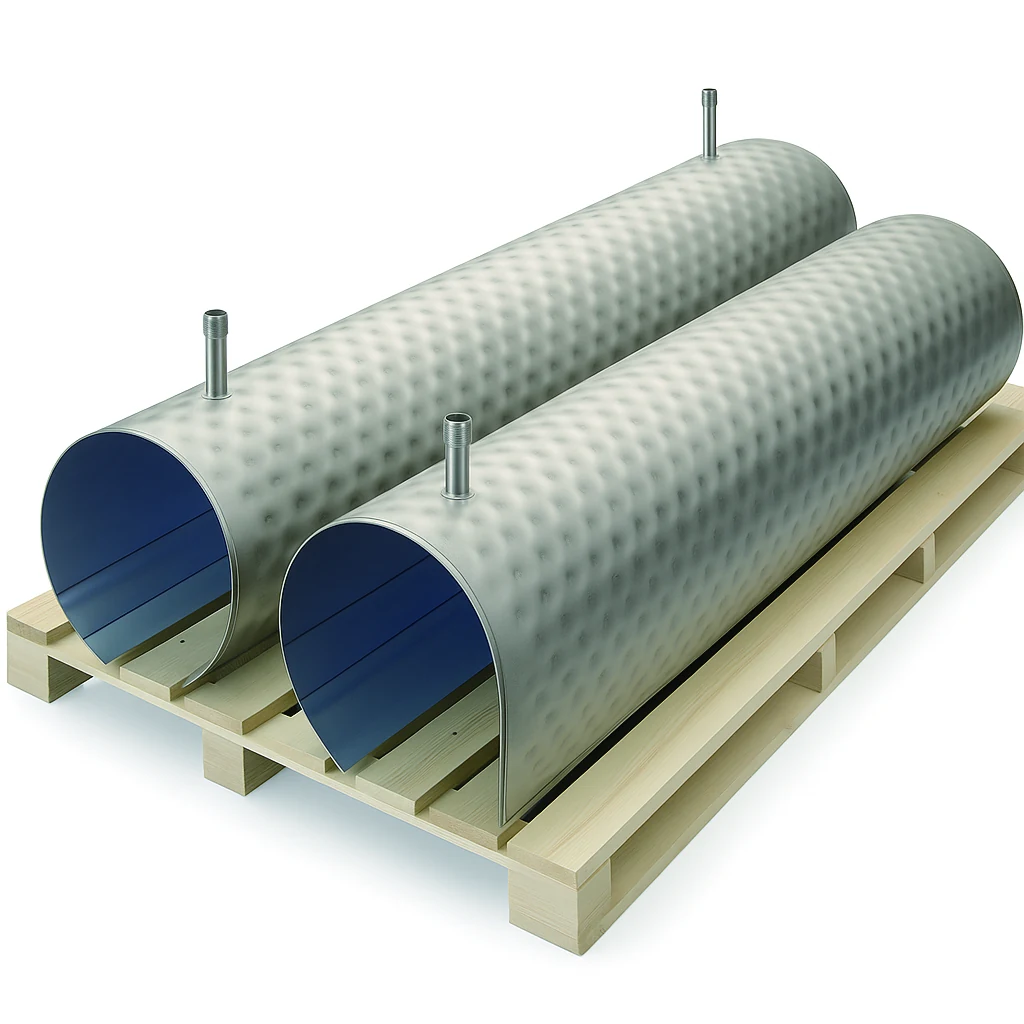
Curved sections support custom thermal surfaces and special fabrication geometries.
Industrial sectors
Pillow plates are especially useful where conventional tubular exchangers are difficult to install, clean or integrate.
Selection data
Provide the equipment dimensions, available surface area, process and utility media, temperatures, pressures, allowable pressure drop, material requirement and cleaning method. HEXNOVAS will define the plate construction, weld pattern, connections and mechanical design.
Custom pillow plate engineering