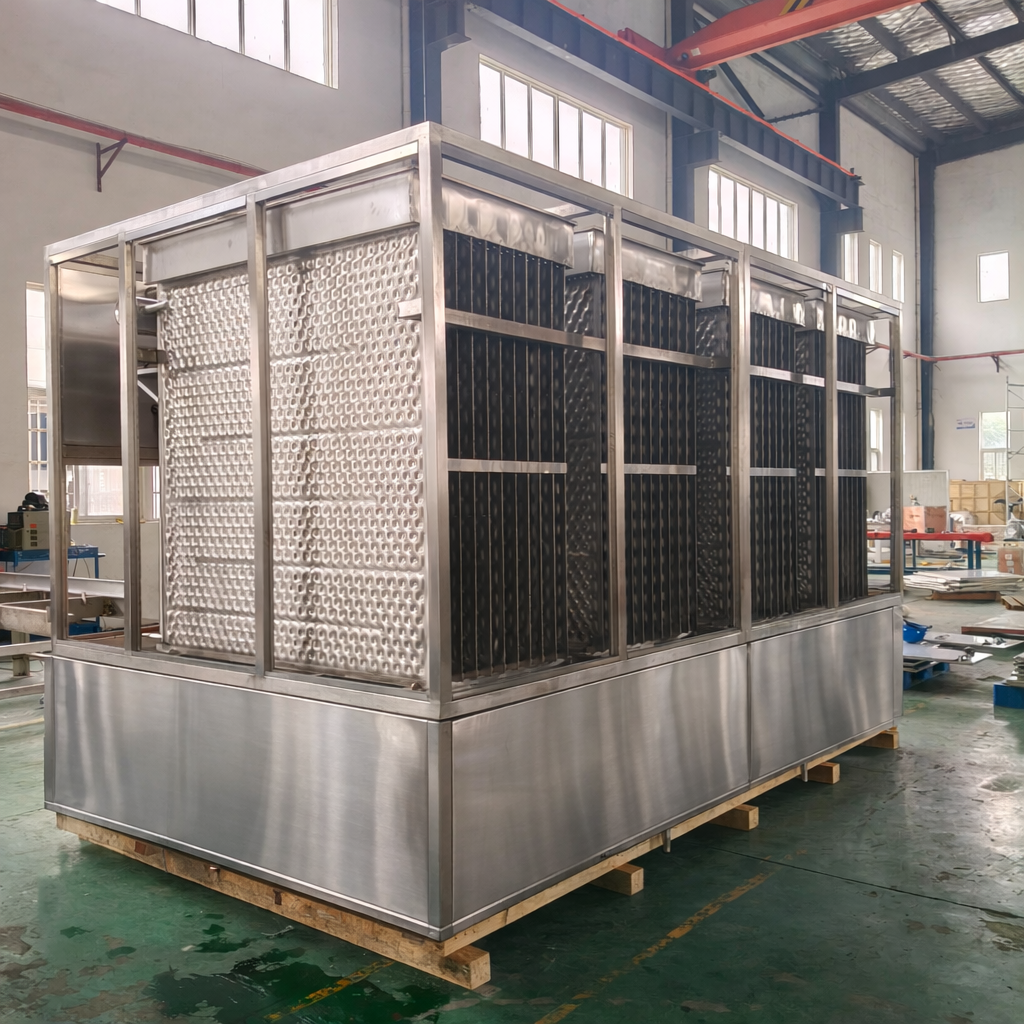
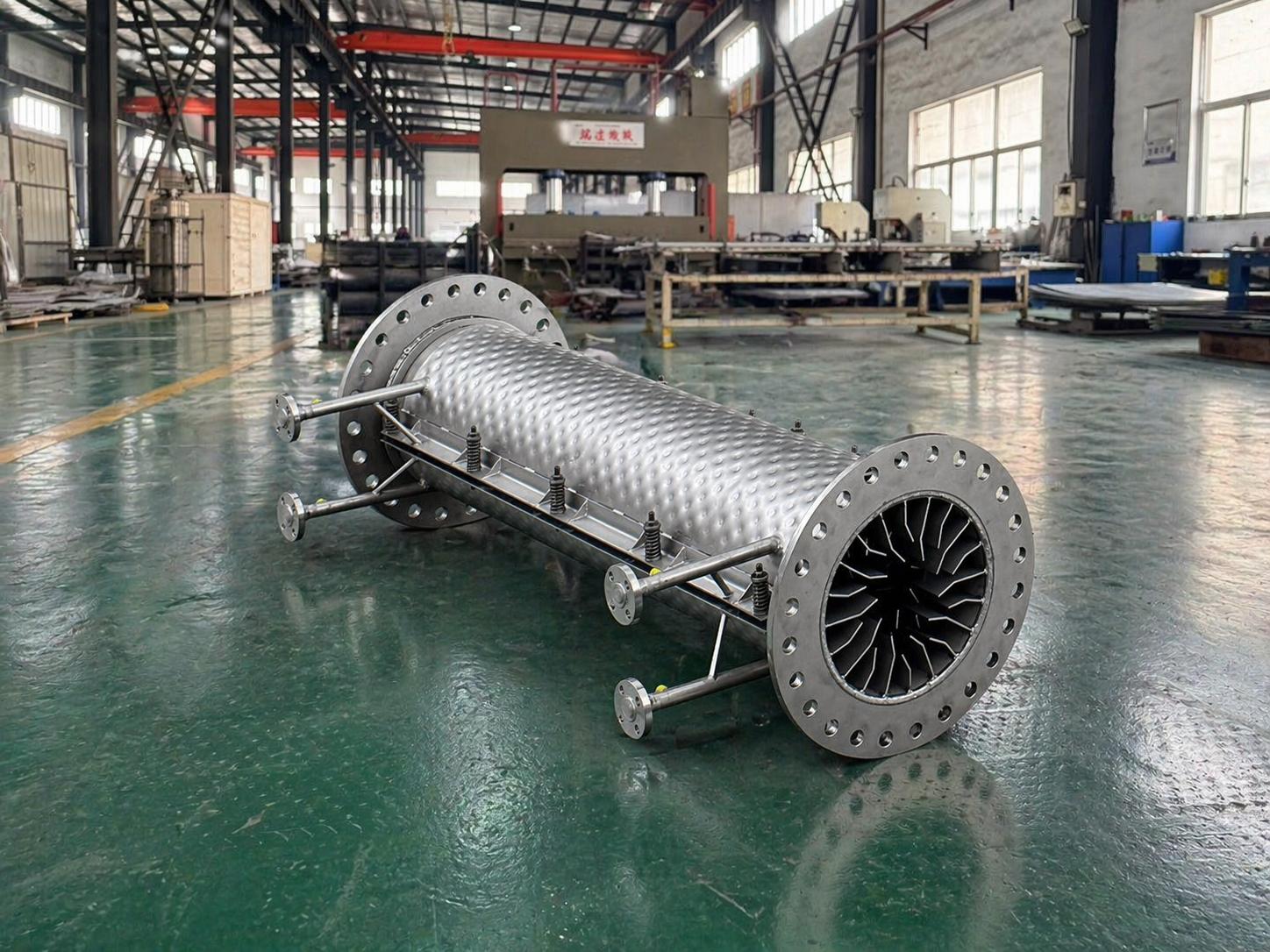
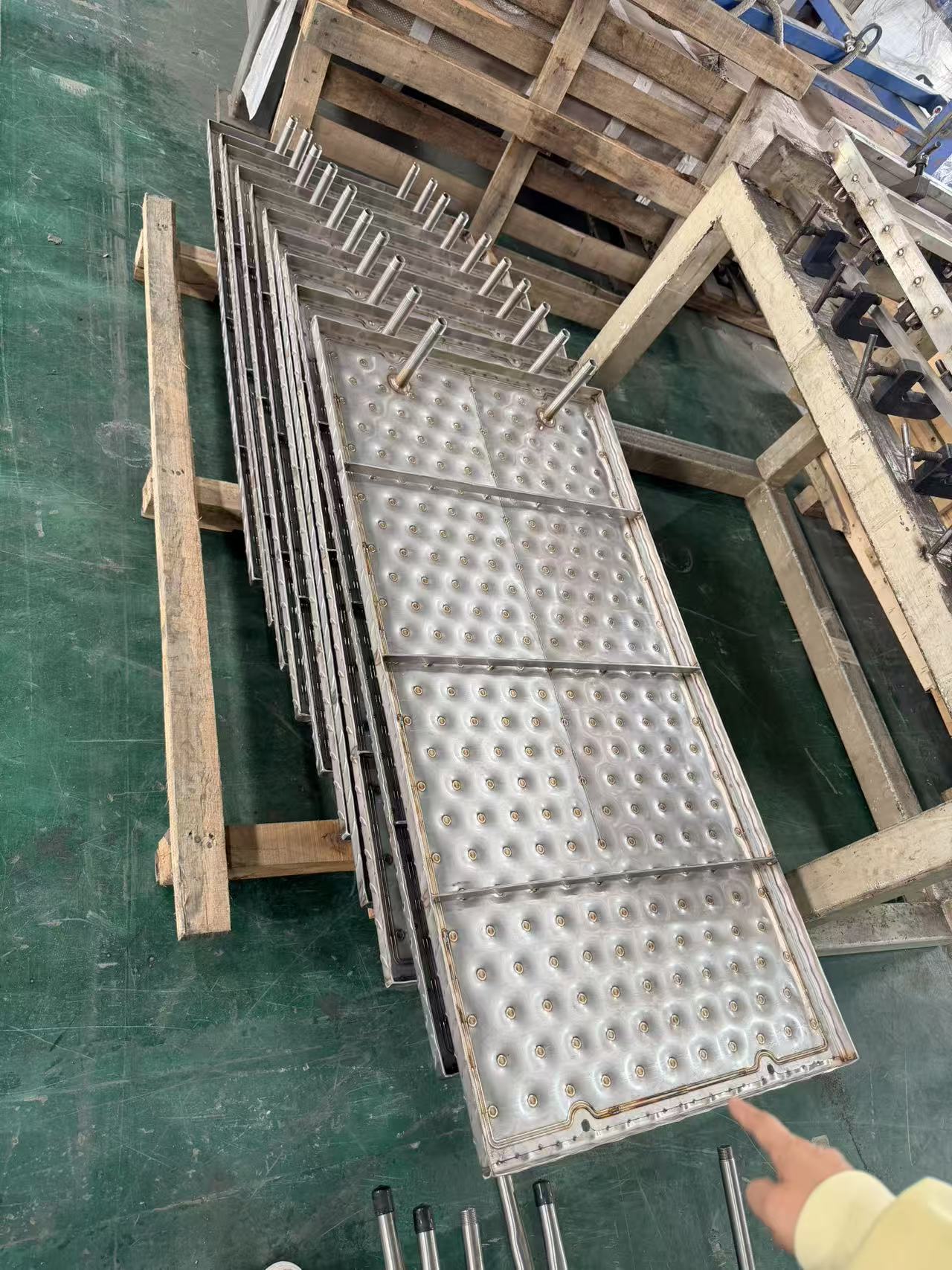
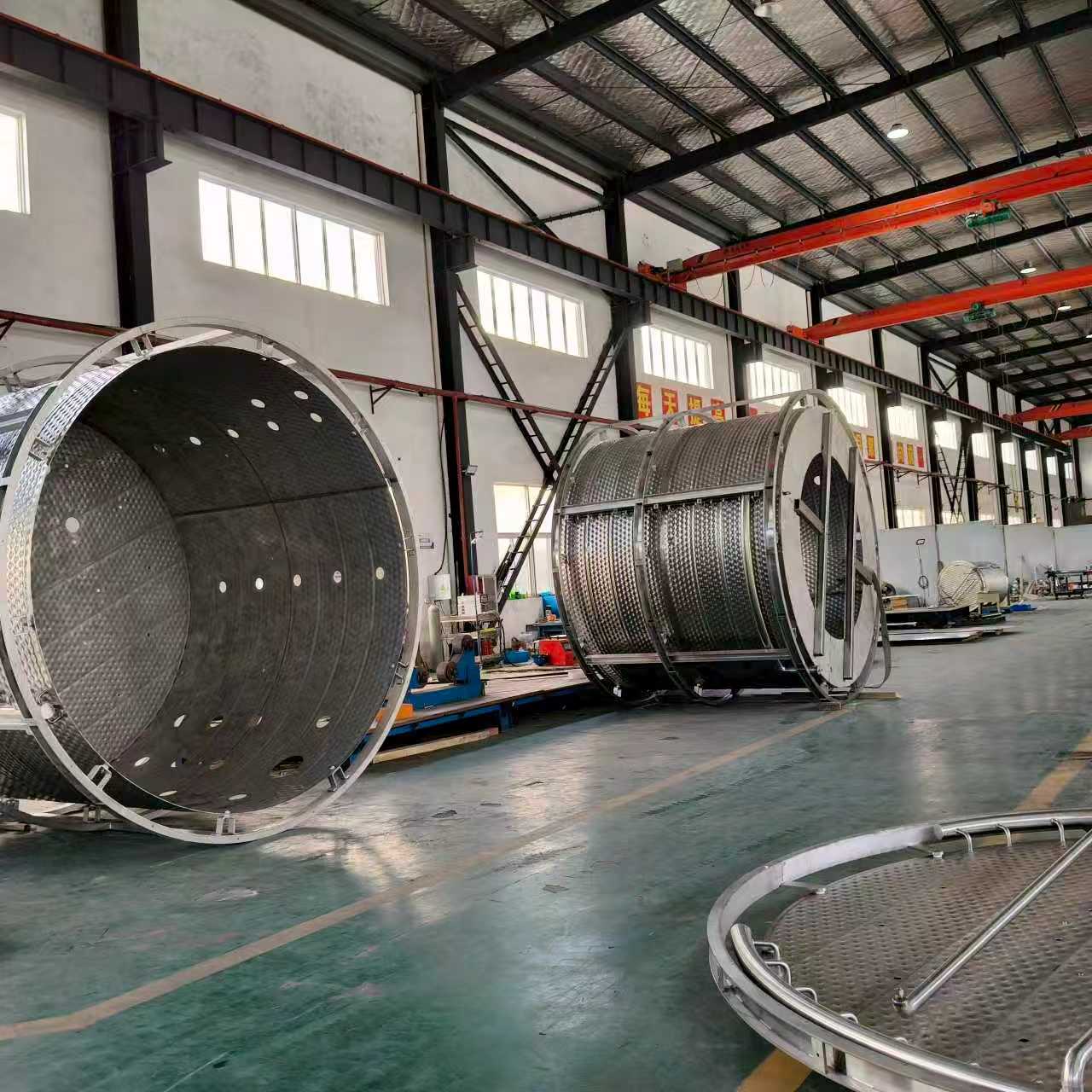
Pillow plates are often selected when a project needs more than a standard heat exchanger. They can be formed into tank jackets, clamped panels, immersion assemblies, condenser plates, evaporator surfaces, or actively cooled thermal shields. That flexibility makes them both a heat transfer product and a fabrication platform.
Pillow Plate Product Overview
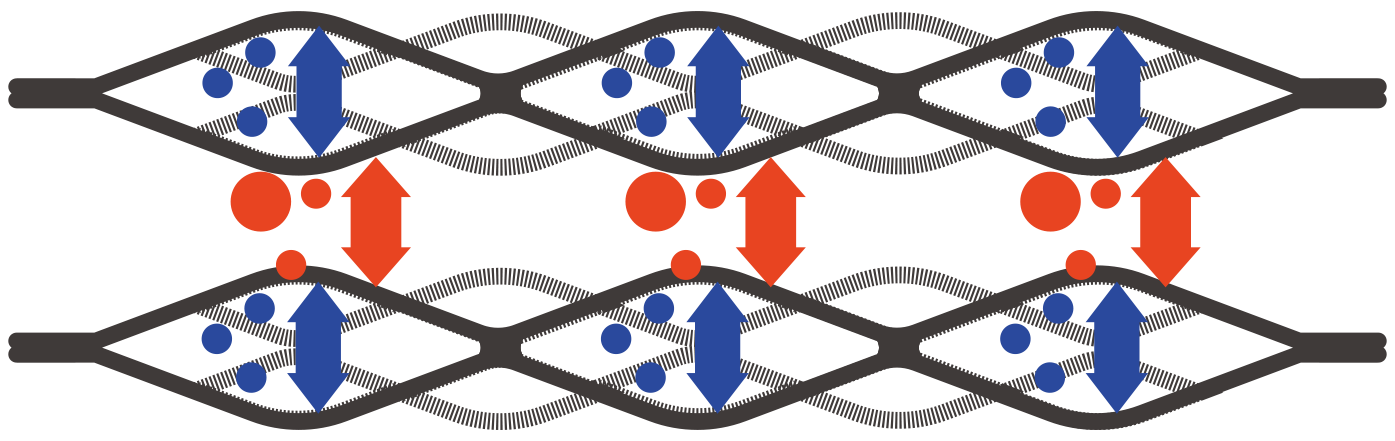
A pillow plate heat exchanger is made from two metal sheets welded together in a defined pattern and then inflated under pressure to create an internal flow channel. The resulting panel forms a strong, fully welded heat transfer surface with a recognizable dimpled or pillow-shaped profile.
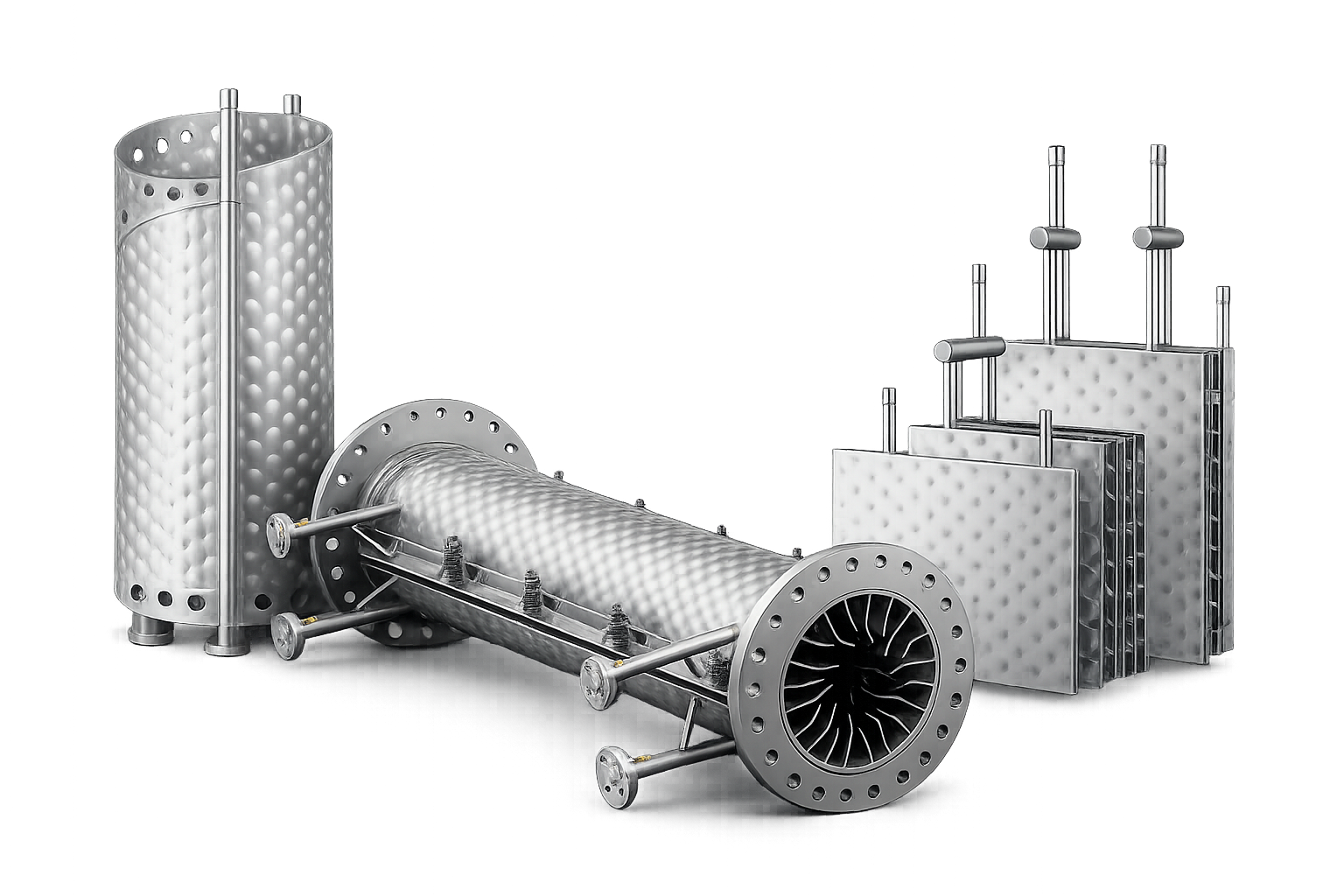
Compared with conventional pipe coils or jackets, pillow plates provide wider surface coverage, lower structural complexity at the contact surface, and greater design freedom in both flat and formed geometry. They can be supplied as individual plates, tank jackets, clamp-on panels, immersion modules, or complete fabricated assemblies.
- Full metal welded construction
- Custom panel size and channel pattern
- Suitable for heating, cooling, condensing, and evaporating duty
- Adaptable to vessels, walls, tanks, and process enclosures
Working Principle of a Pillow Plate Heat Exchanger
The working principle is straightforward. A heating or cooling medium flows through the inflated internal channels, while the opposite side of the pillow plate is in contact with the product, vessel wall, gas stream, or process surface that requires heat transfer. The welded structure creates a direct and stable thermal path across the metal sheets.
Because the plate itself becomes the heat transfer wall, pillow plates are especially useful where broad area coverage matters. This includes cooling vessel shells, heating tank bottoms, condensing vapors on large surfaces, or controlling wall temperature in high-temperature equipment.
Internal Flow Channels
The inflation process forms a defined media path inside the plate, creating turbulence and effective heat transfer.
Large Contact Surface
The external face of the pillow plate acts as the working heat transfer surface over a broad area.
Fully Welded Integrity
No gaskets are required in the active plate body, making the structure robust for demanding industrial duty.
Two Types of Pillow Plate
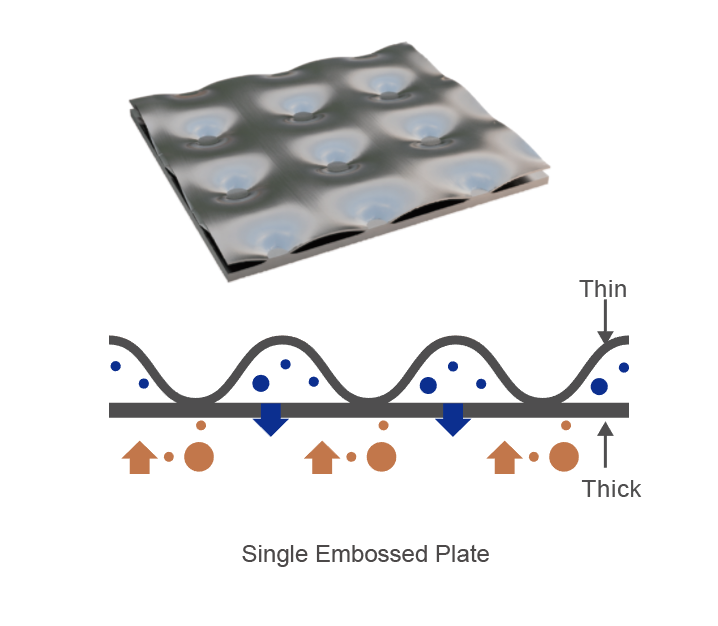
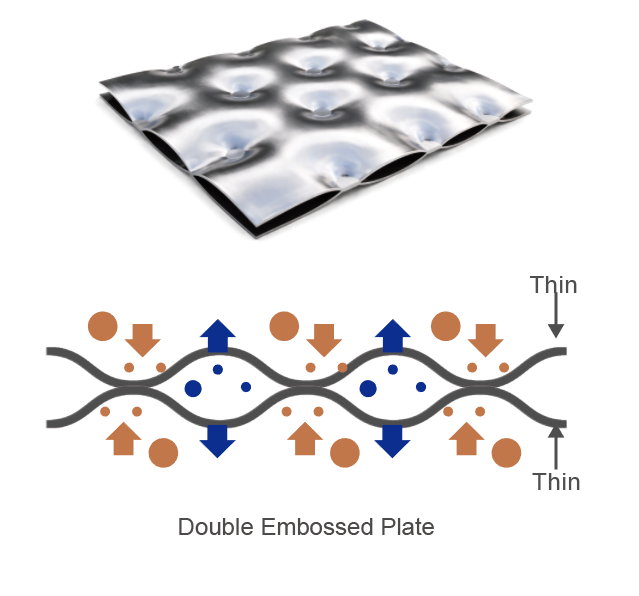
Pillow plates are commonly manufactured in two embossed structures: single embossed and double embossed. The choice affects plate profile, inflation height, contact geometry, and how the panel is integrated into the final equipment.
Single Embossed Plate
One sheet is formed while the opposite sheet remains comparatively flat. This structure is often used where one side should stay closer to a vessel wall, support surface, or external installation face.
Double Embossed Plate
Both sheets are inflated to form a symmetrical pillow profile. This provides a more balanced channel shape and is often selected where free-standing panel geometry and higher internal passage development are preferred.
Selection Consideration
The selection depends on heat transfer duty, available space, required panel stiffness, contact-side arrangement, and fabrication method of the final assembly.
Manufacturing Process and Production Capability
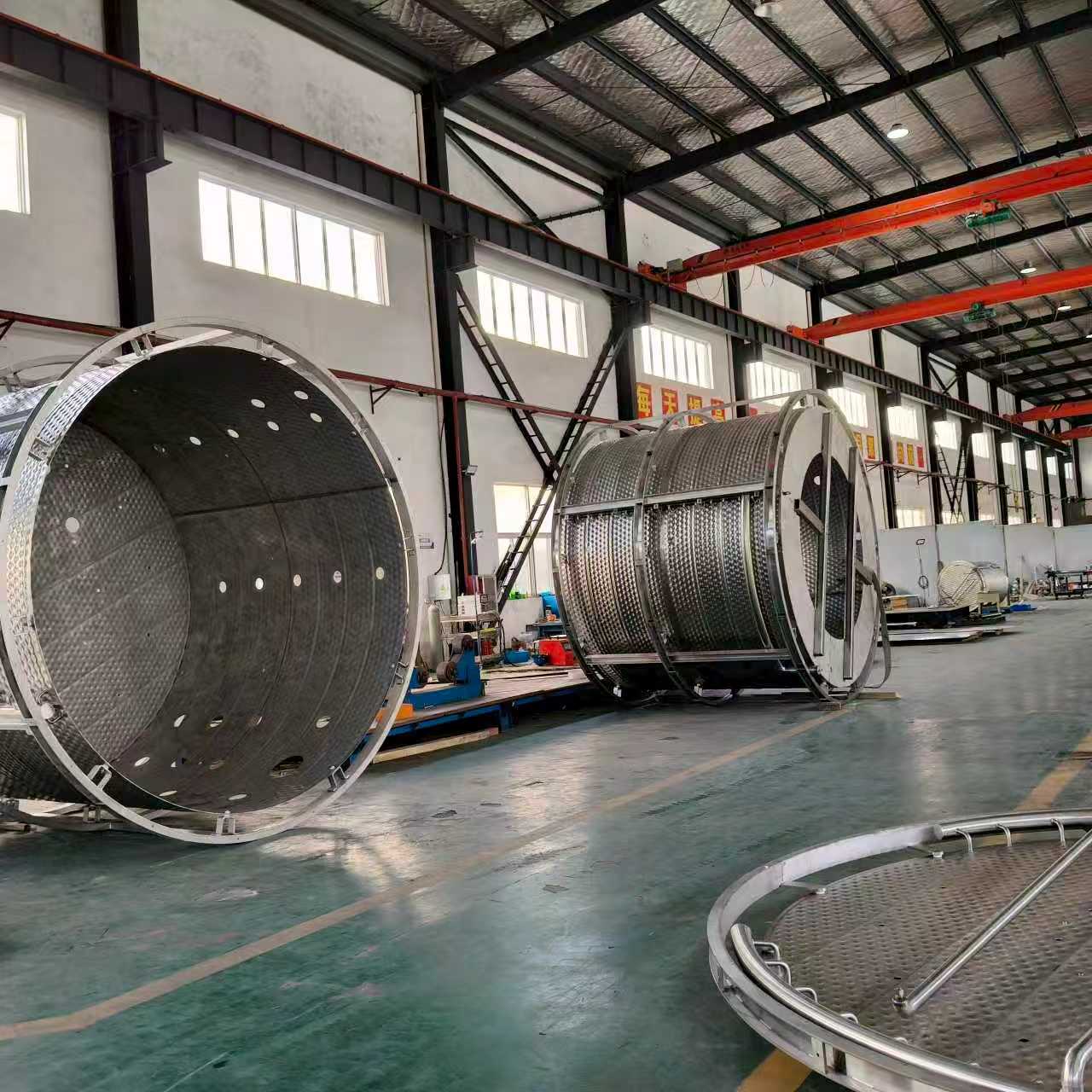
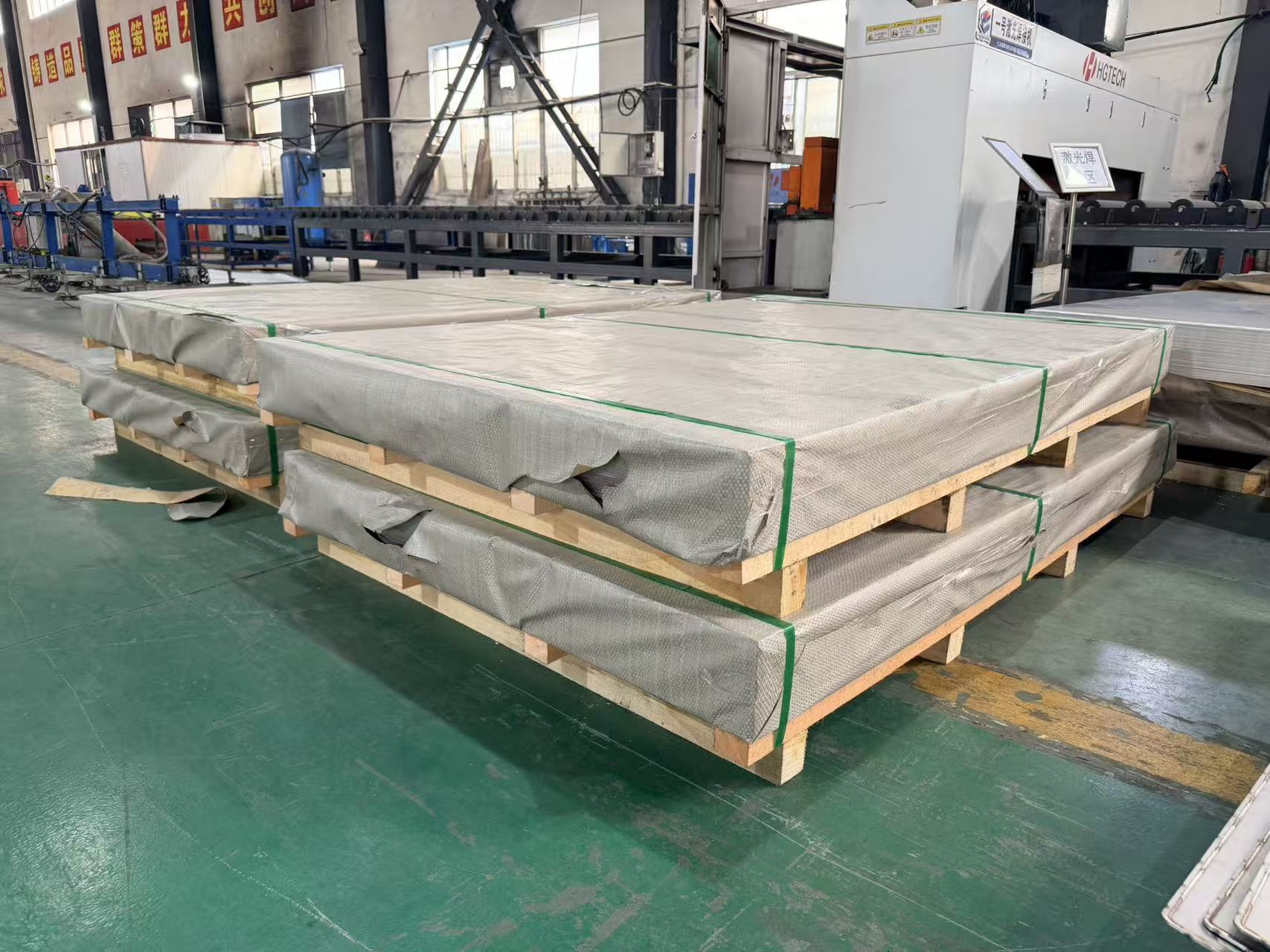
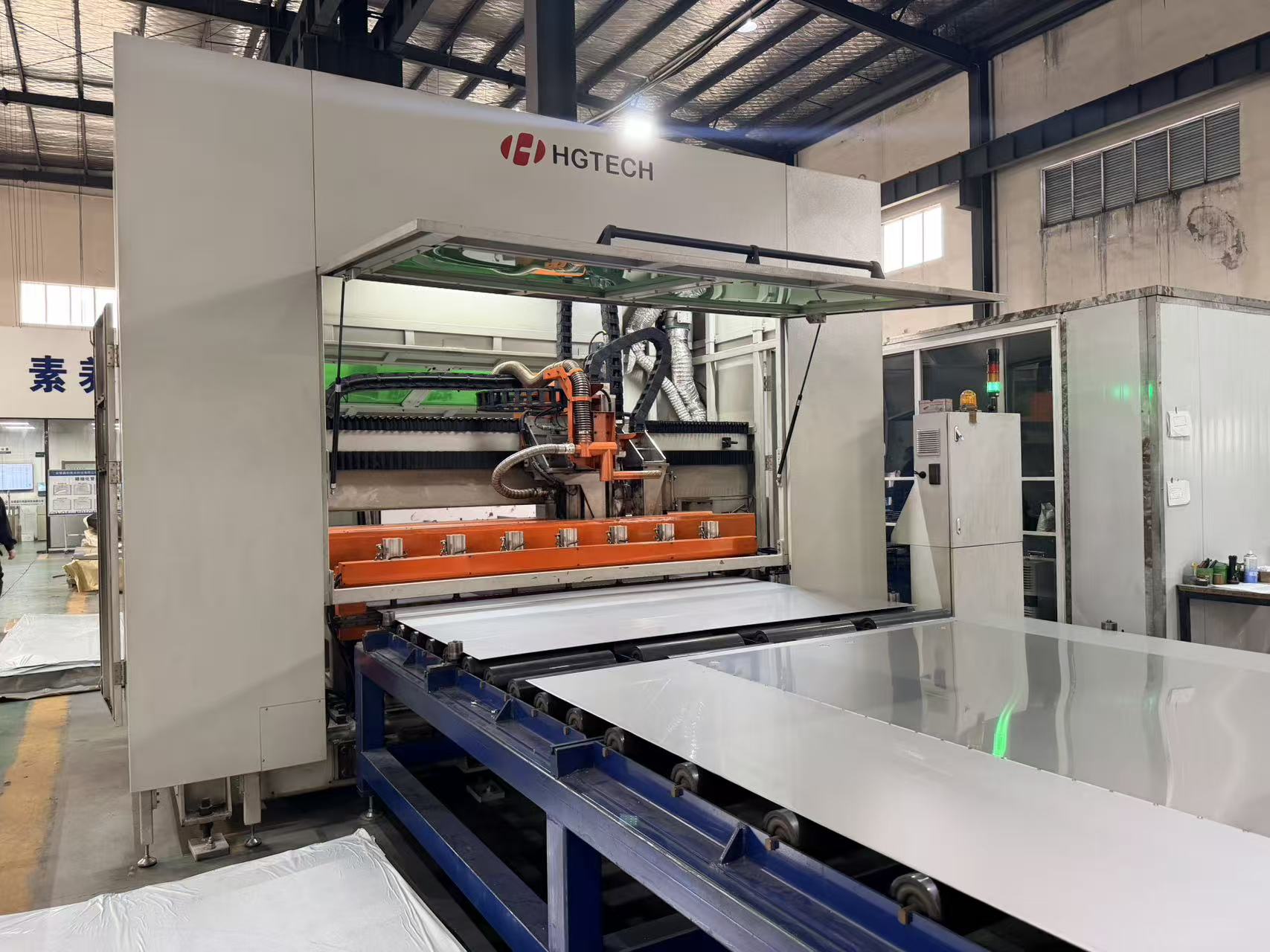
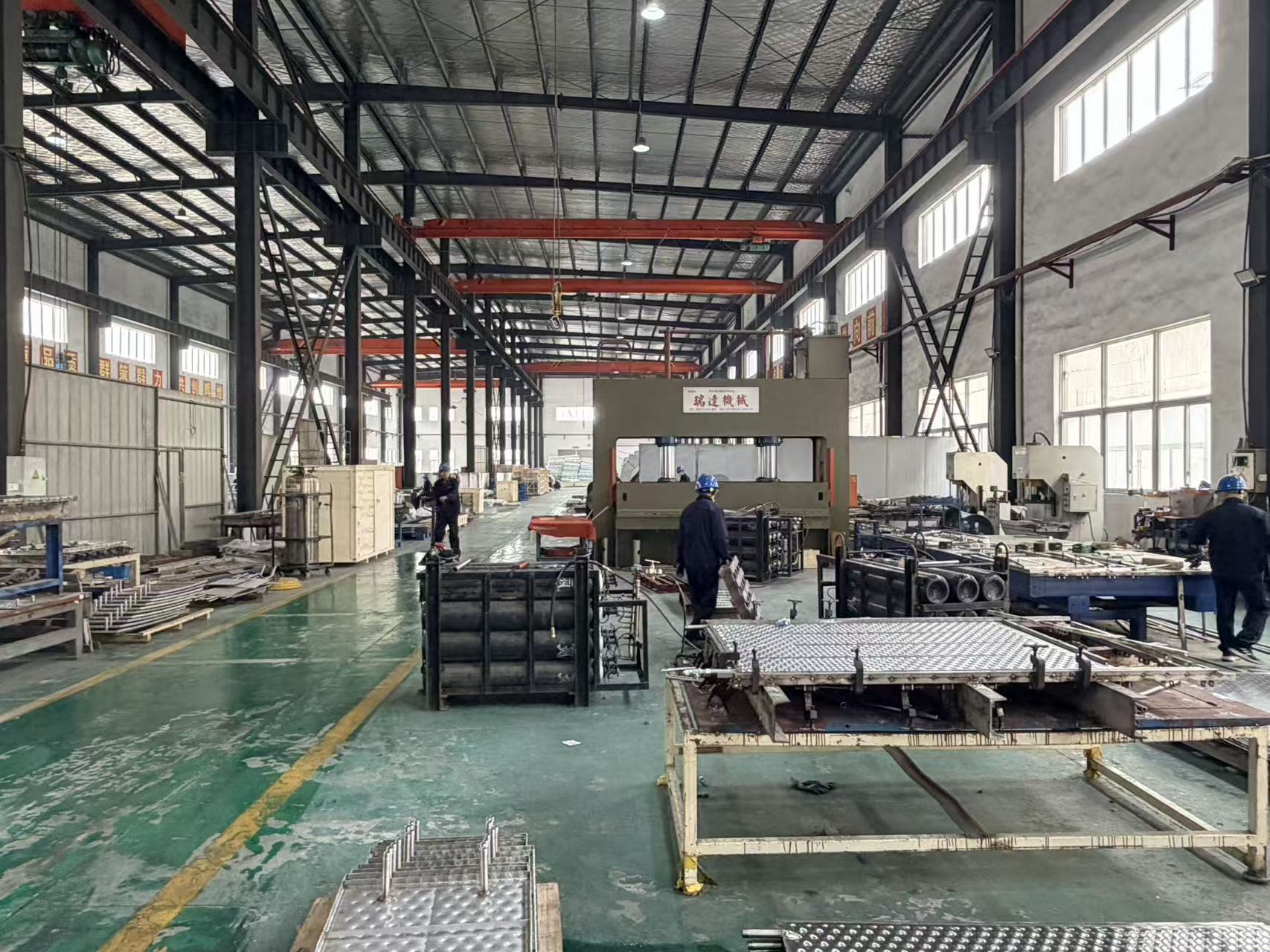
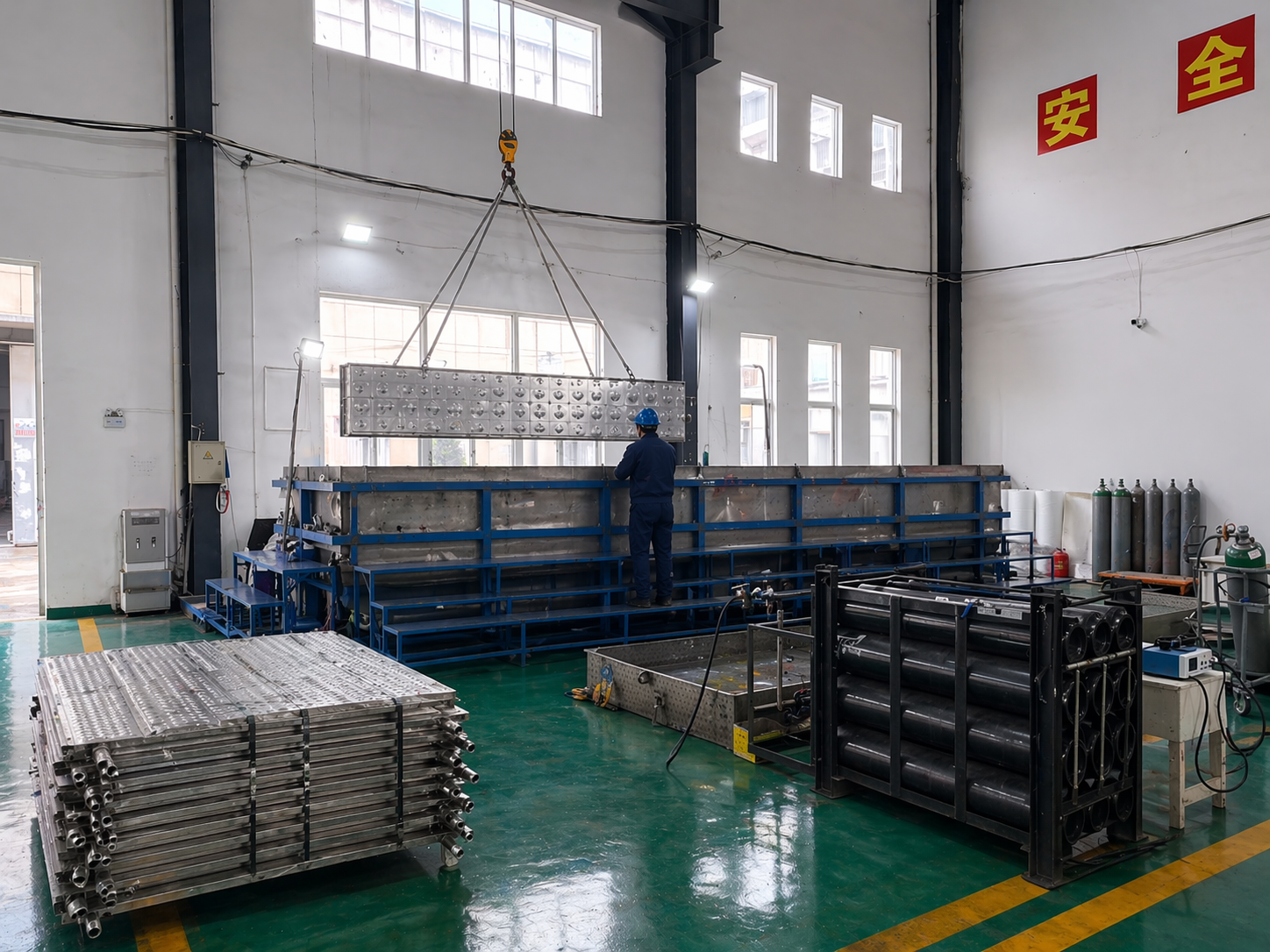
One of the biggest strengths of a pillow plate supplier is not only the finished panel, but the ability to control the manufacturing process. HEXNOVAS combines plate design, laser welding, inflation forming, trimming, nozzle fabrication, welding assembly, and pressure testing into a practical production route for custom projects.
01
Sheet Preparation
Stainless steel or other specified materials are cut and prepared based on the required panel size and weld layout.
02
Laser Welding
A programmed weld pattern is applied to create the future channel structure while maintaining panel integrity.
03
Hydraulic Inflation
The welded sheets are inflated under controlled pressure to form the pillow-shaped internal flow passages.
04
Fabrication and Testing
Panels are trimmed, fitted with nozzles, assembled where required, and pressure tested before delivery.
Manufacturing Steps Overview
Watch the production sequence from raw material preparation to finished pillow plate fabrication. This section can be used to present your workshop video directly on the page.
Recommended content: sheet preparation, laser welding, hydraulic inflation, fabrication, nozzle welding, and pressure testing.
What HEXNOVAS Can Fabricate with Pillow Plates
Flat Panels and Jackets
For tank walls, hopper surfaces, vessel sections, and large-area contact heating or cooling duties.
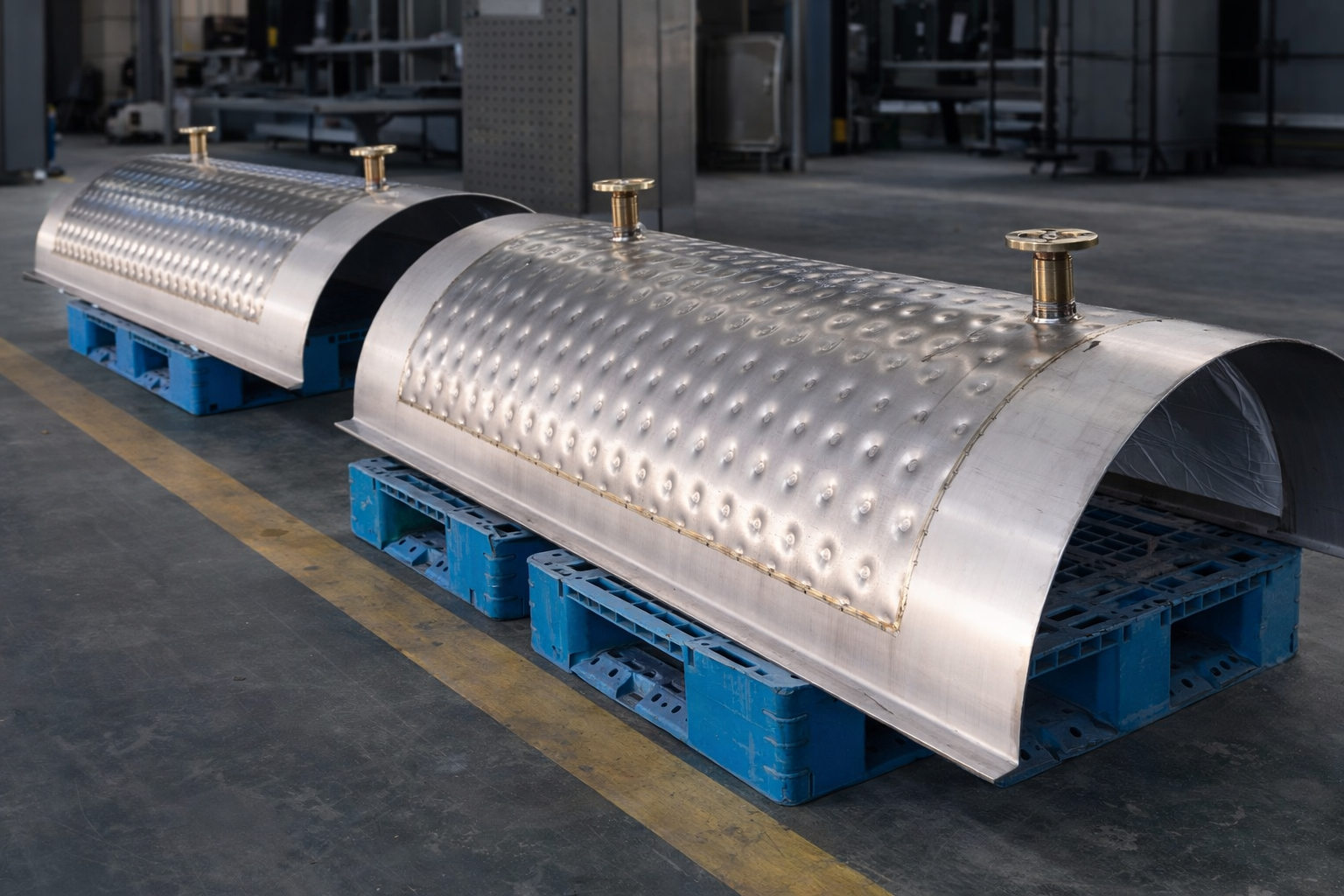
Formed or Wrapped Panels
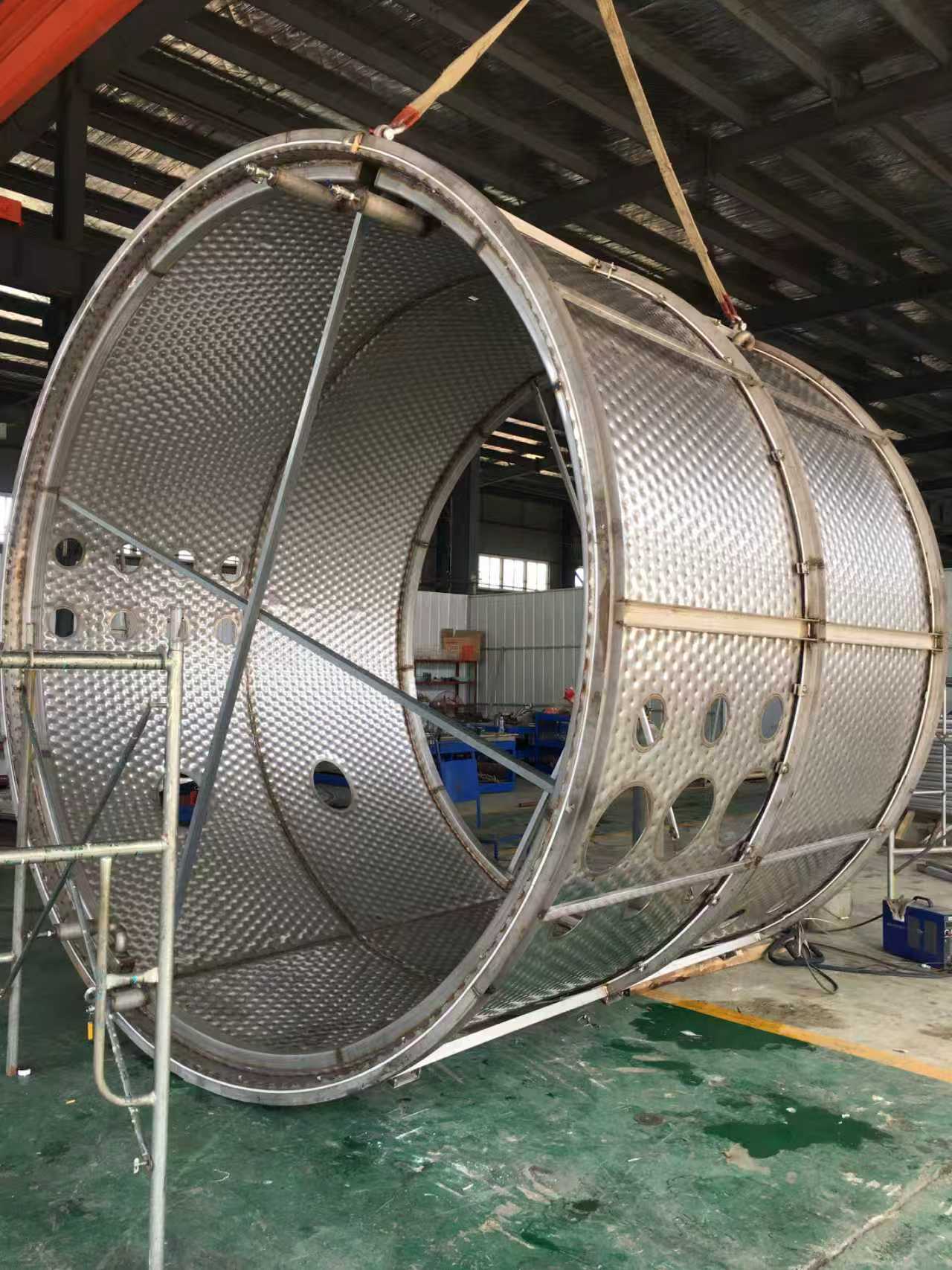
For vessels and cylindrical equipment where the pillow plate must follow the outer shell geometry.
Immersion and Coil-Replacement Assemblies
For process tanks where a rigid plate surface is preferred over conventional pipe coils.
Engineered Cooling Panels
For wall cooling, thermal protection, and high-temperature applications where the panel becomes an actively cooled barrier.
Pillow Plate Heat Exchanger Applications
Pillow plates are used in a wide range of industries because the same manufacturing concept can be adapted to very different thermal duties. The application is defined by how the plate is installed and what function the plate surface must perform.
Tank Jackets and Vessel Heating/Cooling
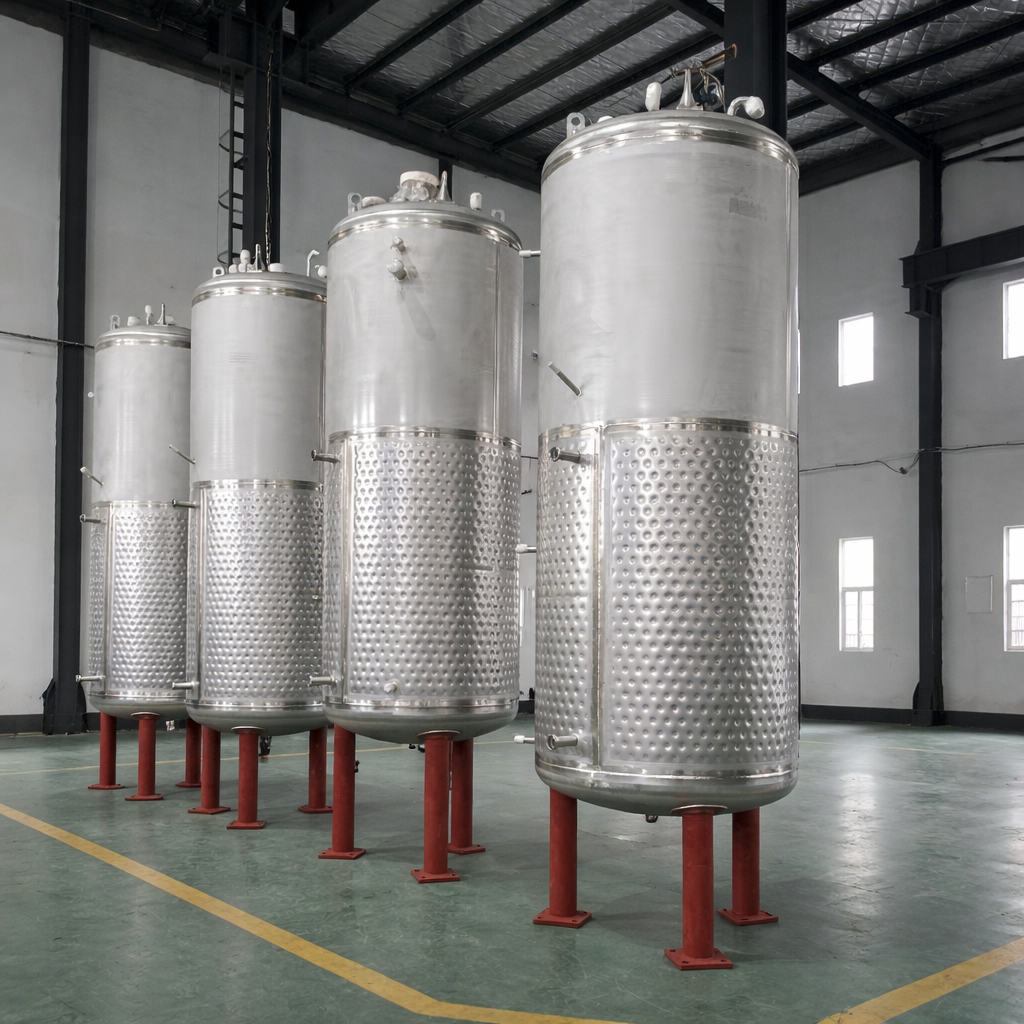
Pillow plates are widely used as tank jackets for fermentation, chemical storage, food processing, and thermal control on large vessels.
Tank Jacket Vessel Cooling Large Contact Area
Clamp-On and Retrofit Panels
For upgrading existing tanks or process surfaces, clamp-on pillow plate panels can provide heat transfer without complete equipment replacement.
Retrofit Clamp-On Upgrade Existing Equipment
Evaporators and Falling Film Systems
Pillow plates are used in evaporator structures where broad area transfer and compact fabricated surfaces are beneficial.
Evaporator Falling Film Process Concentration
Condensers and Gas Cooling Panels
Where vapors or gases must be cooled over a panel surface, pillow plates can function as welded condenser elements with practical geometry options.
Condenser Gas Cooling Welded Surface
Food and Beverage Processing
For tank temperature control, fermentation support, or product-side thermal stability, pillow plates are used where broad gentle transfer surfaces are needed.
Food Grade Fermentation Tank Temperature Control
Thermal Shields and Cooling Panels
In high-temperature service, pillow plates can be used as actively cooled panels to protect walls, control temperature, and remove heat continuously.
Thermal Shield Wall Cooling High Temperature Protection
Why Choose Pillow Plates Instead of Conventional Coils or Jackets
| Point | Pillow Plate | Conventional Coil / Simple Jacket |
|---|
| Heat transfer surface | Broad plate contact area | More limited local contact |
| Fabrication flexibility | Can be flat, wrapped, modular, or integrated into structures | Usually more limited in geometry |
| Structure | Fully welded inflated panel | Often simpler but less versatile |
| Use as engineered panel | Yes, including shields, walls, jackets, and special assemblies | Less suitable for structural panel duty |
| Visual proof of manufacturing | Strong workshop presentation value | Less distinctive in product presentation |
Frequently Asked Questions
What is the difference between a pillow plate and a dimple plate?
In many industrial contexts the terms are used closely, but pillow plate usually emphasizes the inflated welded double-wall heat transfer structure. The exact wording may vary by manufacturer and application.
What is the difference between single embossed and double embossed pillow plates?
Single embossed plates typically keep one side flatter, while double embossed plates inflate both sheets and create a more symmetrical channel profile. The selection depends on assembly method and required thermal or structural performance.
Can pillow plates be customized for different vessel sizes and shapes?
Yes. Panel dimensions, nozzle positions, weld patterns, inflation height, and forming geometry can all be adjusted according to the equipment and duty.
alk to HEXNOVAS bout Your Pillow Plat
Whether you need a simple jacket panel, a fabricated vessel assembly, an evaporator surface, or a custom cooling panel, HEXNOVAS can review the application and propose a suitable pillow plate solution.