Food & pharmaceutical · Tubular heat exchanger
High-Viscosity Jam Heating
Tubular exchanger selection for sticky, viscous jam that presented blockage risk in narrow plate channels.
Project summary
Challenge
Heat a viscous food product while limiting clogging, product damage and difficult cleaning.
Engineering response
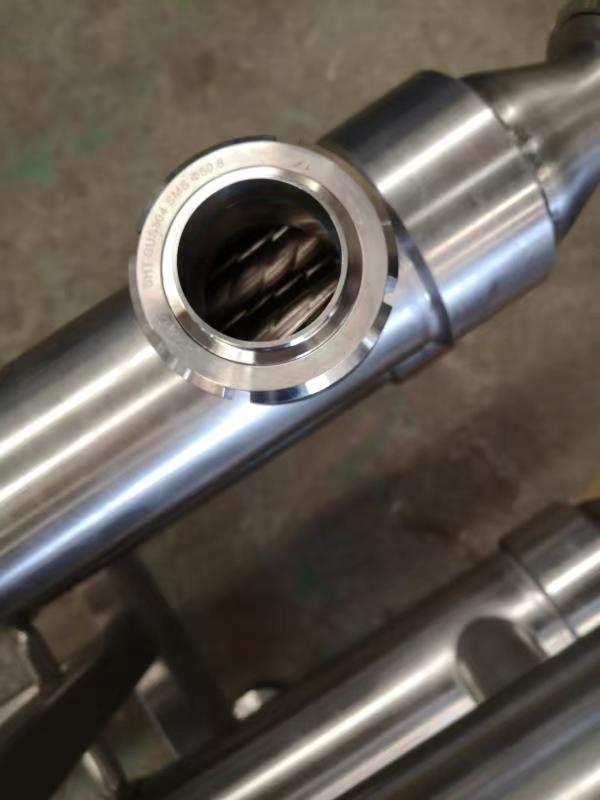
A hygienic tubular flow path was selected to provide wider passages and predictable handling of jam, syrup or puree.
Outcome
The configuration supports more stable heating and cleanability than a narrow-channel plate exchanger for this duty.
- High-viscosity product
- Wide flow passages
- Lower blockage risk
- Hygienic processing
Original project record
High-Viscosity Jam Heating with a Tubular Heat Exchanger
A food-grade tubular heat exchanger solution for jam production, designed for high viscosity, hygienic processing, and better anti-clogging performance than a standard GPHE in this type of duty.
This case highlights a tubular heat exchanger for jam heating where the product viscosity reaches about 8000 cP . In food processing, high-viscosity media such as jam, syrup, puree, fruit filling, and sauces can challenge conventional narrow-channel exchangers. Compared with a gasketed plate heat exchanger , a tubular heat exchanger usually offers wider flow passages, lower plugging risk, easier product handling, and better long-term operating stability for sticky sanitary media.
Project Overview
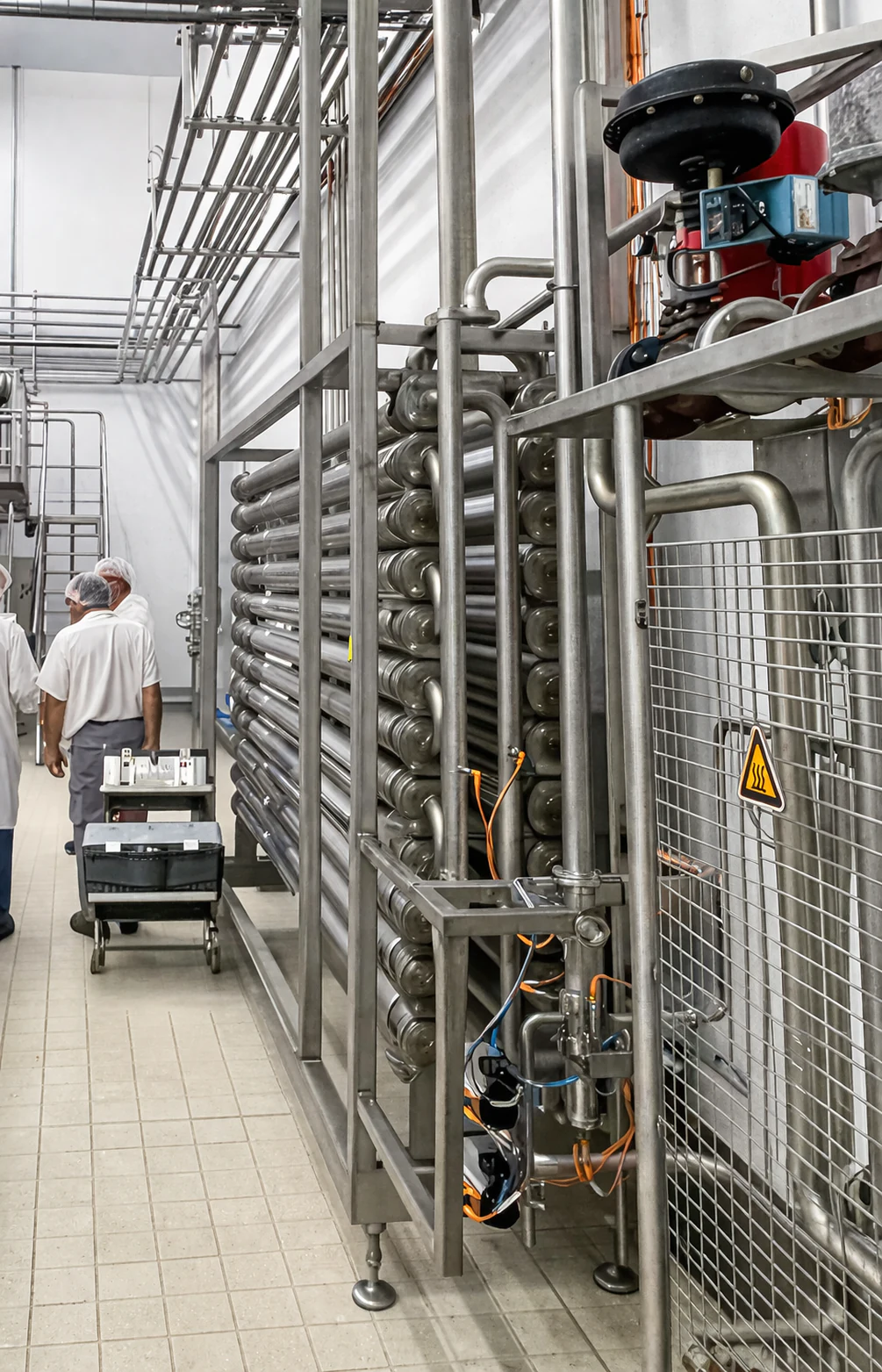
The customer needed a reliable and hygienic heating solution for jam production. Because the medium was highly viscous, the system had to avoid excessive pressure drop, unstable flow, and clogging risks often associated with narrower flow channels. HEXNOVAS therefore selected a Tubular Heat Exchanger as the main product heater in a hot-water circulation loop generated by steam.
Project Images
Selection Parameter Snapshot
This section is reserved for your actual quotation sheet, technical parameter screenshot, or customer selection data image. If you do not want to use a screenshot, you can directly keep the styled parameter card below as a cleaner on-page visual replacement.
Main Technical Parameters
Why a Tubular Heat Exchanger Was the Right Choice
For jam, fruit concentrate, syrup, and similar sticky media, a tubular heat exchanger can provide more stable process performance than a standard plate-type solution. The wider internal passage reduces plugging tendency and supports smoother transport of thick food products. This is especially important when viscosity changes with batch conditions or temperature.
- Wider flow path: more suitable for viscous or soft-particle food duty.
- Lower clogging risk: better for sticky products such as jam and fillings.
- Gentler handling: helps avoid unnecessary shear or burn-on risk.
- Sanitary suitability: food-grade construction for hygienic processing.
- Reliable operation: practical for continuous food production lines.
Other Applications Suitable for Tubular Heat Exchangers
A tubular heat exchanger is not limited to jam production. It is also widely used in other sanitary applications involving high viscosity, soft solids, fruit pulp, or sticky food materials where smooth flow and easy cleaning are important.
Typical industries
- Fruit processing plants
- Jam and filling production lines
- Sauce and condiment manufacturing
- Dairy and dessert processing
- Food ingredient and syrup preparation systems
- Sanitary thermal processing lines with CIP requirements
Tubular Heat Exchanger vs GPHE
A gasketed plate heat exchanger is highly efficient and compact for many clean-liquid duties. However, for thick, sticky, or particle-containing products, the selection basis changes. In such applications, a tubular heat exchanger is often more robust and more practical.
FAQ
Conclusion
This case shows why a tubular heat exchanger remains a strong and practical solution in food processing. For jam and similar high-viscosity products, the key decision factors are smooth flow, hygienic design, reduced blockage risk, and stable operating performance. That is where tubular technology creates real value.
If your process involves jam, syrup, puree, sauce, yogurt blend, or another difficult sanitary medium, HEXNOVAS can help assess whether a Tubular Heat Exchanger or a GPHE is the better fit.
On This Page
- Project Overview
- Project Images
- Selection Snapshot
- Technical Parameters
- Why Tubular
- Similar Applications
- Tubular vs GPHE
- FAQ
- Conclusion
Related Products
- Tubular Heat Exchanger
- Gasketed Plate Heat Exchanger
Typical Reader Intent
- Looking for a jam heat exchanger
- Comparing tubular heat exchanger vs GPHE
- Need a sanitary exchanger for viscous food
- Trying to reduce fouling and blockage risk
Contact HEXNOVAS
Need help selecting a heat exchanger for jam, syrup, puree, or sauce production?
Contact Us
tubular heat exchanger for jam, tubular heat exchanger for high viscosity food, jam heat exchanger, sanitary tubular heat exchanger, food grade tubular heat exchanger, tubular heat exchanger vs gasketed plate heat exchanger, tubular heat exchanger for syrup, tubular heat exchanger for fruit puree, viscous food heat exchanger, jam production heat exchanger, hygienic heat exchanger for food processing
| Item | Data | |
| Application | Jam production / viscous food heating | |
| Model | TG-J-10.5B | |
| Heat transfer area | 10.5 m² | |
| Product viscosity | Approx. 8000 cP | |
| Pipe diameter and material | Φ32 / Φ57 / Φ76, 3 m length × 8 pcs, material 316L / 316L / 304 | |
| Gasket material | EPDM | |
| Max working pressure | 1.2 MPa | |
| Juice inlet / outlet connection | Φ38 SMS connection, 316L | |
| Hot water inlet / outlet connection | Φ51 SMS connection, SUS304 | |
| Comparison Item | Tubular Heat Exchanger | Gasketed Plate Heat Exchanger (GPHE) |
| Flow passage | Wider passages for viscous and semi-solid product flow | Narrow channels, ideal for cleaner and lower-viscosity fluids |
| Clogging tolerance | Higher tolerance to sticky media, pulp, and soft solids | More sensitive to blockage in thick-food service |
| Typical product suitability | Jam, syrup, puree, sauces, yogurt blends | Milk, water, beverages, clean sanitary liquids |
| Compactness | Usually less compact | Usually more compact |
| Best engineering priority | Process reliability and product handling | High thermal efficiency in clean-liquid service |
Project gallery
Original images from this HEXNOVAS record